When browsing the web or building websites, you may encounter numbers like 404, 500, or 301. These numbers are HTTP status codes — short messages from a web server that tell your browser whether a request succeeded, failed, or needs more action.
This guide covers all major HTTP status codes, including informational, success, redirection, client errors, and server errors.
1. What Are HTTP Status Codes?
HTTP status codes are standardized responses from a web server when a browser or client requests a resource. Each status code is three digits, and the first digit defines the response category:
1xx – Informational responses
2xx – Success responses
3xx – Redirection messages
4xx – Client error messages
5xx – Server error messages
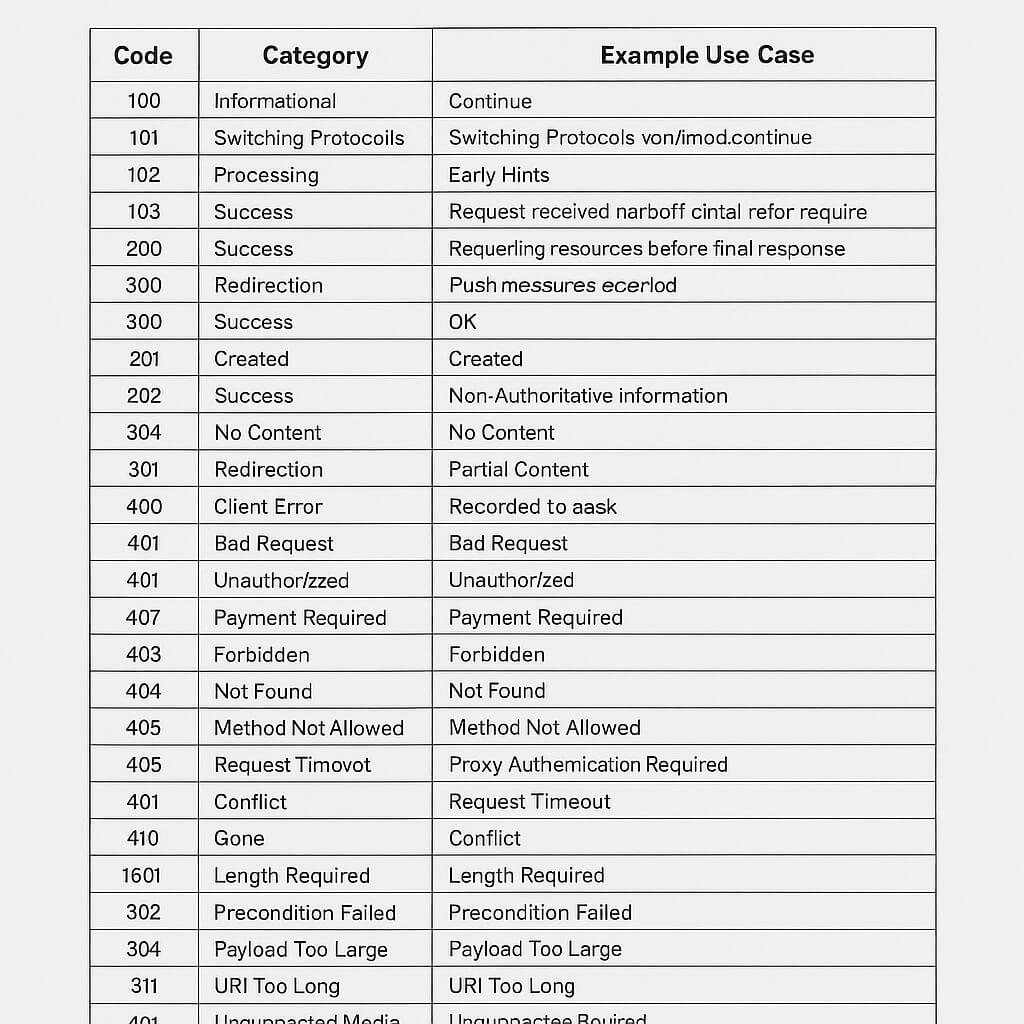
2. Complete HTTP Status Code Table
Code
Category
Meaning
Example Use Case
100
Informational
Continue
Request received, client should continue
101
Informational
Switching Protocols
Server is switching protocols
102
Informational
Processing
WebDAV request still in process
103
Informational
Early Hints
Preloading resources before final response
200
Success
OK
Request succeeded (normal webpage load)
201
Success
Created
Resource successfully created
202
Success
Accepted
Request accepted but processing later
203
Success
Non-Authoritative Information
Metadata from another source
204
Success
No Content
Request succeeded, no content returned
205
Success
Reset Content
Client should reset form input
206
Success
Partial Content
Partial resource returned (range request)
300
Redirection
Multiple Choices
Multiple options for resource
301
Redirection
Moved Permanently
Resource moved to a new URL
302
Redirection
Found
Temporary redirect
303
Redirection
See Other
Redirect to a different resource
304
Redirection
Not Modified
Cached version is still valid
307
Redirection
Temporary Redirect
Same method redirect
308
Redirection
Permanent Redirect
Method preserved permanent redirect
400
Client Error
Bad Request
Invalid syntax in request
401
Client Error
Unauthorized
Authentication required
402
Client Error
Payment Required
Reserved for future use
403
Client Error
Forbidden
Access denied
404
Client Error
Not Found
Resource not found
405
Client Error
Method Not Allowed
HTTP method not supported
406
Client Error
Not Acceptable
Resource not available in acceptable format
407
Client Error
Proxy Authentication Required
Must authenticate with proxy
408
Client Error
Request Timeout
Server timed out waiting for request
409
Client Error
Conflict
Request conflicts with server state
410
Client Error
Gone
Resource permanently removed
411
Client Error
Length Required
Content-Length header missing
412
Client Error
Precondition Failed
Server precondition failed
413
Client Error
Payload Too Large
Request body too large
414
Client Error
URI Too Long
Request URL too long
415
Client Error
Unsupported Media Type
Format not supported
416
Client Error
Range Not Satisfiable
Invalid range request
417
Client Error
Expectation Failed
Expect header not met
418
Client Error
I’m a Teapot
Joke status from RFC 2324
422
Client Error
Unprocessable Entity
WebDAV request validation failed
425
Client Error
Too Early
Request too early to process
426
Client Error
Upgrade Required
Switch to a different protocol
428
Client Error
Precondition Required
Missing required conditions
429
Client Error
Too Many Requests
Rate-limiting triggered
431
Client Error
Request Header Fields Too Large
Headers too large
451
Client Error
Unavailable For Legal Reasons
Blocked due to legal demand
500
Server Error
Internal Server Error
Generic server failure
501
Server Error
Not Implemented
Functionality not supported
502
Server Error
Bad Gateway
Invalid response from upstream server
503
Server Error
Service Unavailable
Server temporarily overloaded
504
Server Error
Gateway Timeout
Upstream server timeout
505
Server Error
HTTP Version Not Supported
Unsupported HTTP version
506
Server Error
Variant Also Negotiates
Internal negotiation error
507
Server Error
Insufficient Storage
WebDAV storage full
508
Server Error
Loop Detected
Infinite loop detected
510
Server Error
Not Extended
Missing policy extensions
511
Server Error
Network Authentication Required
Authenticate to access network
3. Common HTTP Error Codes & Fixes
404 Not Found
Cause: The requested page doesn’t exist.
Fix: Check URL spelling or update broken links.
500 Internal Server Error
Cause: Generic server issue.
Fix: Check server logs for PHP or database errors.
503 Service Unavailable
Cause: Server is overloaded or down for maintenance.
Fix: Reduce traffic load or wait for maintenance to finish.
4. Summary
HTTP status codes are essential for understanding web server responses. Knowing them helps developers debug issues faster and optimize website performance.
Timing is everything when it comes to financial success. Whether you’re investing, running a business, freelancing, or trading, understanding seasonal trends and economic cycles can dramatically improve your chances of making money.
Below is a comprehensive breakdown of the optimal periods for generating income, supported by both market behavior and historical patterns.
Focus on promo events like Cyber Monday, Summer Sales
Crypto Trading
Market Bull Runs (any)
Volatile upward cycles, often around halving events
Watch BTC halving cycles, sentiment indicators
YouTube / Content Creation
Q4 (Oct–Dec)
Highest ad revenue season (advertisers spend more)
Release ad-friendly, niche content in October
Tourism Business
Local peak seasons
High footfall, vacation demand
Research your region’s peak (e.g. summer or winter)
Agriculture / Farming
Harvest seasons (Sep–Nov)
Sell during peak yield, pricing advantage
Focus on timing distribution & transport logistics
Online Courses
Jan–Feb, Sep–Oct
Resolution & back-to-school momentum
Launch “New Year, New Skill” or “Back to School” themes
🧭 Economic Cycles to Consider
Phase
Best For
Characteristics
Expansion
Business startups, investment
Low interest rates, high consumer confidence
Peak
Selling assets, scaling up
Prices & employment are high, risk of inflation
Recession
Bargain investing, innovation
Asset prices drop, high fear = low cost entry
Recovery
Starting side hustles, rebranding
Opportunities bloom, new demand emerges
Below is a strategic yearly plan from 2025 to 2050 showing periods when it’s most advantageous to make money, based on:
Global economic cycles (expansion, peak, recession, recovery),
Tech and innovation waves (AI, blockchain, green energy),
Seasonal consumer behavior, and
Historical market patterns.
🗓️ Long-Term “Periods to Make Money” (2025–2050)
Year
Global Cycle
Opportunity Sector
Best Months to Capitalize
Strategy
2025
Early Recovery
AI, Digital Marketing
Feb–May, Sept–Nov
Build digital assets, trade volatility
2026
Growth Acceleration
Green Tech, Fintech
Jan–June
Invest in startups, green energy stocks
2027
Growth
Crypto, Real Estate
Mar–May, Oct–Dec
Buy mid-cap tokens, REITs, rentals
2028
Pre-Peak
AI, Robotics, SpaceTech
Feb–July
Scale e-commerce, SaaS, invest in tech
2029
Peak
Luxury Goods, Equity Funds
Jan–April
Take profits, rotate to safe assets
2030
Early Decline
Health, Food Supply Chain
Apr–June
Defensive stocks, reduce leverage
2031
Recession Warning
Renewable Energy, Farming
Aug–Dec
Gold, utilities, dividend stocks
2032
Recession
Crypto, Commodities
May–Nov
Buy dips, cost average, build cash reserves
2033
Recovery Begins
Biotech, EVs
Feb–May, Sept
Buy into long-term ETFs, stocks
2034
Growth Phase
Real Estate, Web 4.0
Mar–June
Expand portfolios, invest in platforms
2035
Peak Zone
Private Equity, Branding
Jan–April, Sept
Sell top assets, prep for winter
2036
Cooling
AI Regulation, MedTech
June–Nov
Hybrid strategies, mixed allocation
2037
Mid-Recession
Stablecoins, Insurance
Aug–Dec
Safe havens, reduce risk exposure
2038
Bounce Phase
Infrastructure, AI Health
Apr–July
Go long on ETFs, digital asset rebounds
2039
Growth Again
Cybersecurity, Cloud Infra
Feb–May, Oct
Launch digital ventures
2040
Boom
Space Mining, Neural Tech
Jan–June
Moonshot investing, 10x bets
2041
Caution
Crypto Stability, Forex
May–Aug
Tight stop-loss, partial exits
2042
Adjustment Period
Tech Consolidation
Mar–June
Restructure, stabilize business
2043
Mid-Cycle Rebound
Robotics, AR/VR
Feb–May
Trade momentum tech
2044
Expansion
Genomics, Automation
Jan–Apr, Sept
Venture investing, international markets
2045
Peak
Tourism, Art, IP Assets
May–Aug
License assets, sell NFTs or patents
2046
Early Downturn
Real Asset Hedging
Oct–Dec
Switch to commodities & inflation-proofing
2047
Bearish
Cyber Assets, Health Infra
Feb–June
Focus on essentials
2048
Recovery Signs
Digital Real Estate
Jan–March, Oct
Metaverse projects, content IPs
2049
Bullish
Tokenized Assets, Green AI
Apr–July
Long-term holds, syndicate investing
2050
Peak Possibility
Innovation Tech, Finance AI
Feb–May, Aug
Harvest gains, global diversification
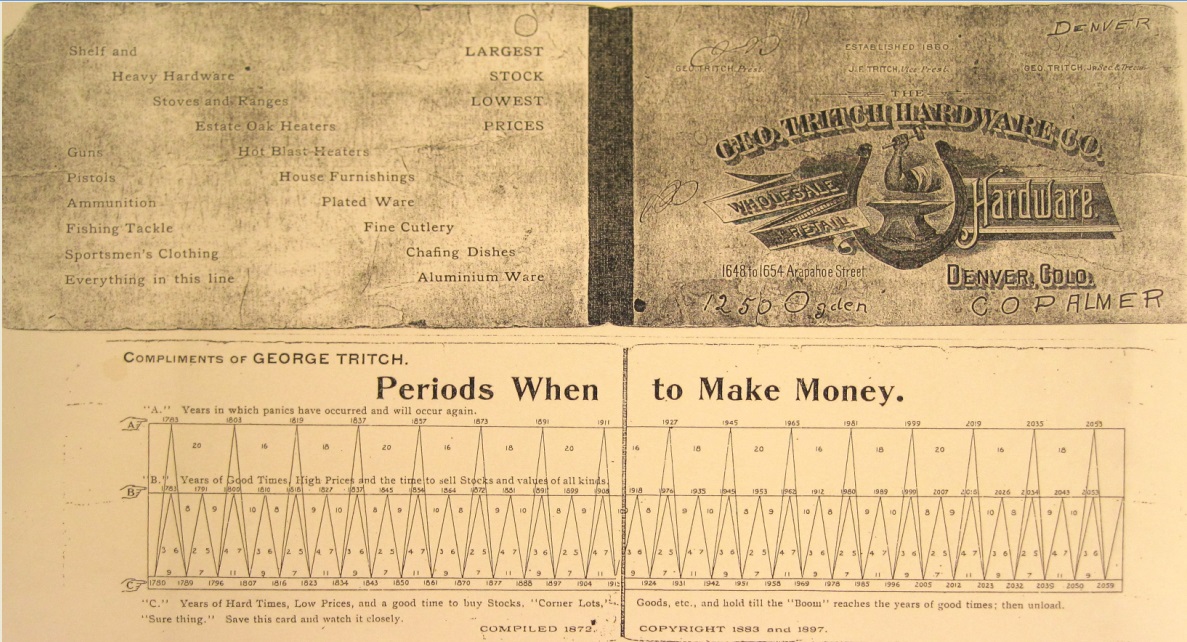
Understanding Tritch’s ‘Periods When to Make Money’
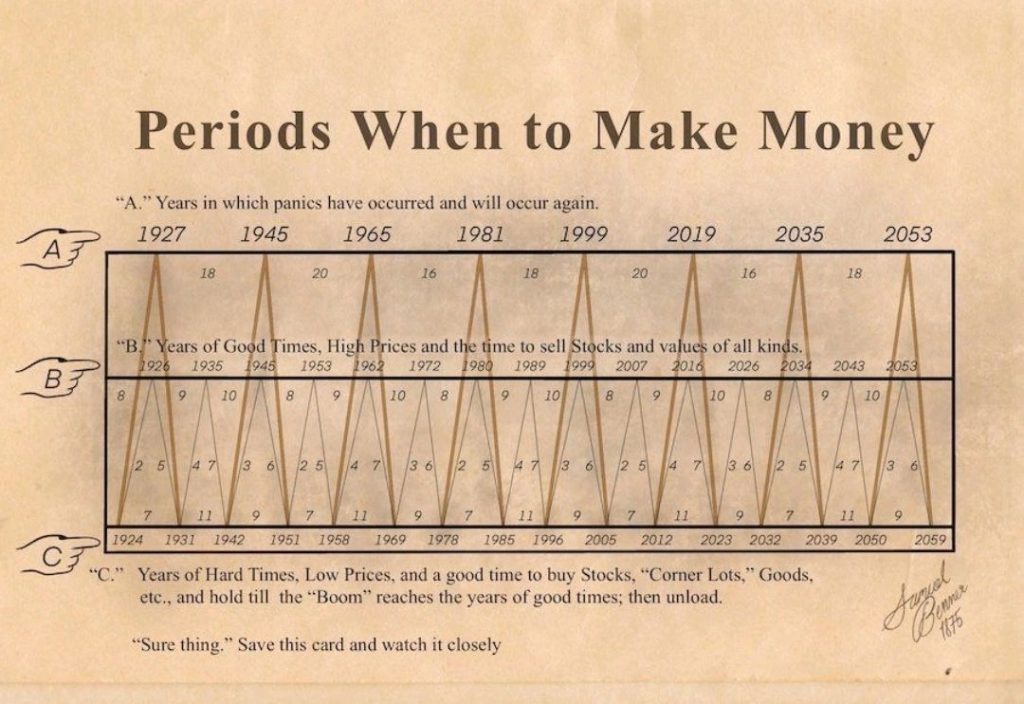
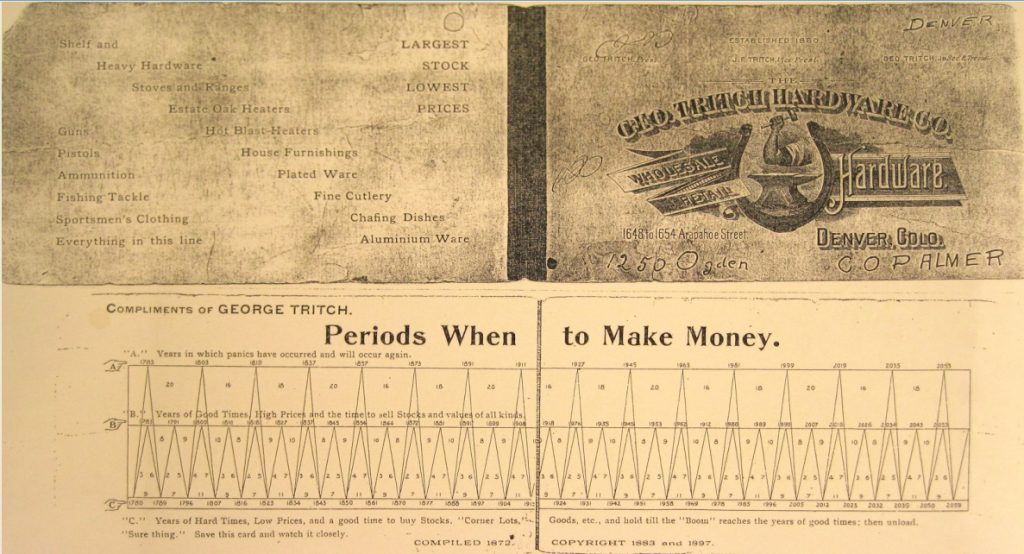
Tritch’s chart, employs a three-tiered system (A, B, C) to delineate distinct phases in market cycles:
Category A: Symbolizes periods of panic and trend reversals, marking the inception of a bearish trend.
Category B: Represents peak market times, ideal for selling assets at high prices.
Category C: Signifies periods of low prices, the best time to buy assets, marking the onset of a bull market.
Tritch’s model suggests a cyclical recurrence in these categories, with varying durations for each cycle. However, the intriguing part lies in Tritch’s justification of this cyclicity.
The top of the market cycle (Category A) occurs every 16/18/20 years.
The midpoint of the cycle (Category B) happens every 8/9/10 years.
The bottom of the cycle (Category C) is marked by 3–6 / 2–5 / 4–7 year cycles.
The Controversial Aspect of Financial Astrology: Tritch attributed market cycles to planetary influences, aligning with the principles of financial astrology or Astro-economics. However, this approach lacks scientific validation, leaving it mostly unaccepted by mainstream financial analysts.
Is Tritch’s Model Reliable?
Despite its captivating premise, Tritch’s model, like any predictive tool, should be approached with caution. Market dynamics encompass a plethora of factors, many of which are neither cyclical nor predictable. Although Tritch’s chart reportedly demonstrated high accuracy in the past, remember, past performance is not a reliable indicator of future results.
In conclusion, Tritch’s chart might intrigue investors seeking guidance amidst financial uncertainty. Yet, prudent investing necessitates comprehensive asset research, awareness of broader market trends, and understanding one’s risk tolerance and investment objectives.
As Warren Buffet wisely advised, “Be fearful when others are greedy, and greedy when others are fearful.”
📌 Notes:
Q1–Q2 of most years tend to bring high productivity and optimism: great for launching products or trading.
Q3–Q4 typically involves either market volatility or recovery: ideal for strategic buying or reevaluating portfolios.
Major downturns expected around 2031, 2036, and 2047.
Plan 1 quarter ahead: Set goals and campaigns at least 3 months early.
Capitalize on emotion-driven spending (e.g., New Year’s motivation, Christmas gifting).
Watch fiscal calendars: Governments and businesses usually align budgets in Q1.
Use trend tools: Google Trends, stock seasonality charts, and YouTube Analytics can guide you.
🧾 Conclusion
Knowing when to act can be just as important as what to do. Whether you’re a trader, creator, seller, or service provider, aligning your effort with the right periods can lead to significant gains. Track trends, understand behavior cycles, and plan with seasonal strategy.
No matter what your ideas are, you alone know what they mean to you and the benefits that come with implementing them. Be extra careful about the type of people you share your ideas with. No idea is a waste. Try and implement it. If it works out, great, if it doesn’t, it’s a lesson there. The mantra here is to just do it no matter what. It’s better to learn a lesson from what didn’t work than to live with the regret of not doing it at all.
Carl Jung, the Swiss psychiatrist and founder of analytical psychology, didn’t explicitly list “6 dangerous people to avoid” in his writings. However, based on his psychological theories—particularly about archetypes, the shadow, and personality complexes—many modern interpretations (including blog posts and YouTube videos) summarize the “6 dangerous personality types” you should avoid according to Jungian ideas.
Here’s a modern psychological interpretation often attributed to Jung’s work:
⚠️ The 6 “Dangerous” People (inspired by Carl Jung’s theories):
The Narcissist
Obsessed with themselves, lacks empathy, uses others as tools for validation.
Jung saw narcissism as a fixation on the ego, which blocks individuation (true personal development).
The Manipulator
Deceives, gaslights, and twists facts for personal gain.
Jung warned of those who repress their shadow and project it onto others—manipulators often do this to control their narrative.
The Eternal Victim
Always sees themselves as wronged, takes no responsibility, drains energy.
Jung described such people as being controlled by unconscious complexes—they’re trapped in self-pity and resist growth.
The Drama Magnet (Emotionally Unstable)
Thrives on chaos, keeps others in crisis mode.
Jung would say they are overwhelmed by their unconscious and live in a disintegrated state—often projecting their inner conflict.
The Control Freak
Needs to dominate, fears uncertainty, rigid thinker.
Jung saw this as a sign of repressed fear—an inability to trust the Self or let the unconscious do its part.
The Pathological Liar
Constantly lies, even without gain, destroying trust.
From Jung’s view, lying blocks authentic self-realization and reflects a fractured psyche.
🧠 Jung’s Core Idea:
“Until you make the unconscious conscious, it will direct your life and you will call it fate.” — Carl Jung
These six types are seen as people controlled by their unconscious, rather than those on the path of individuation, which Jung believed was the true journey of becoming whole.
⚠️ Most Dangerous People to Avoid (Based on Jungian Psychology)
Rank
Personality Type
Description
Why They’re Dangerous (Jungian View)
🥇 1
Manipulator
Deceitful, gaslighting, alters perceptions for control
Projects their shadow onto others to maintain power; causes deep self-doubt in victims
🥈 2
Pathological Liar
Lies constantly, erodes trust and reality
Disrupts others’ perception of truth, creating inner conflict and psychological instability
🥉 3
Narcissist
Obsessed with ego, lacks empathy, exploits relationships
Ego-centric; blocks individuation; views others only as tools for self-enhancement
4
Control Freak
Needs to dominate every situation; rigid and obsessive
Fearful of inner chaos, projects need for order onto others, stifles autonomy and creativity
5
Drama Magnet
Attracts or creates chaos; emotionally explosive
Lives in an unintegrated state; hijacks emotional energy from others
6
Eternal Victim
Never takes responsibility; drains emotional support
Trapped in complexes; resists personal growth; fosters dependency and guilt in others
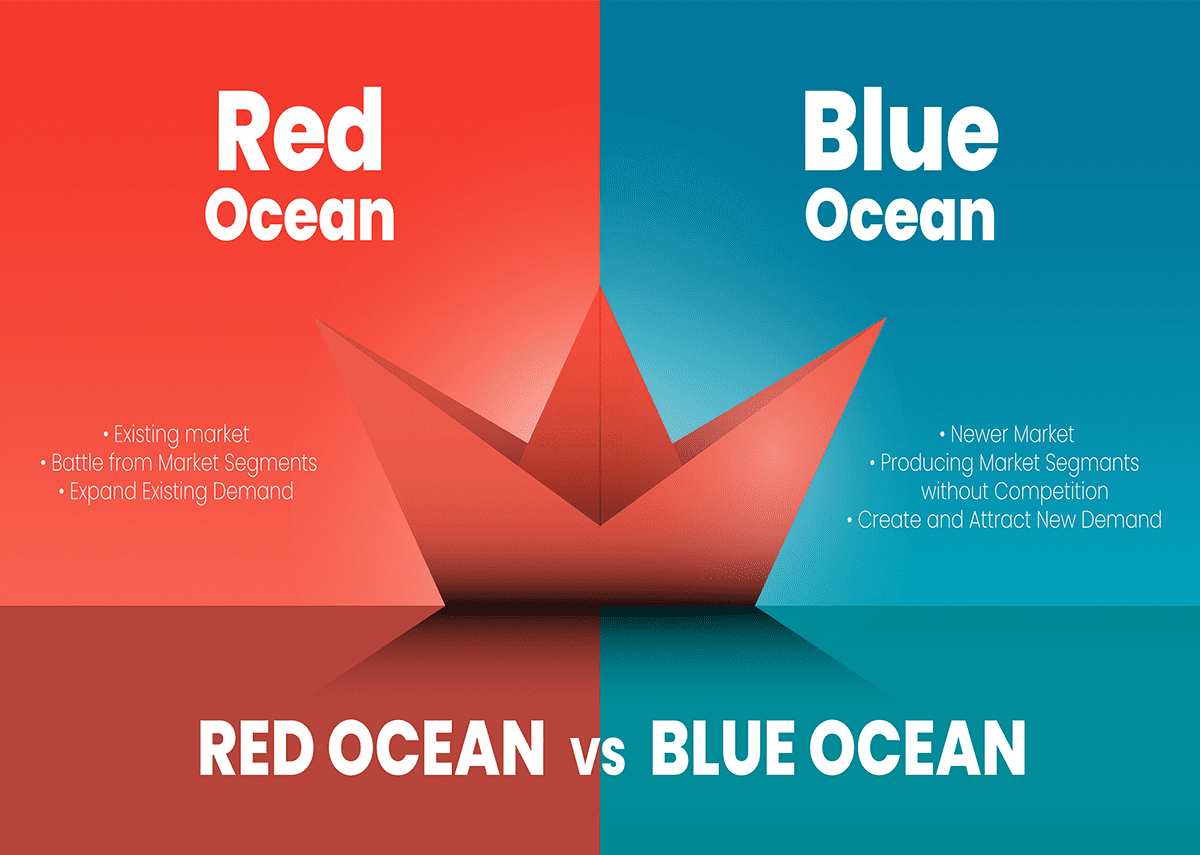
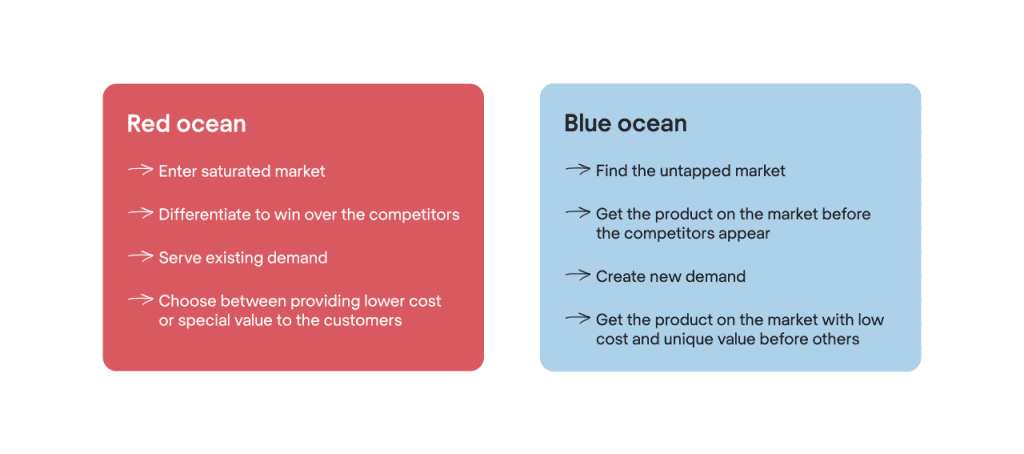
Fast food chains like McDonald’s vs Burger King. They sell similar products, compete on price, and location — all in the same market space.
🌊 Blue Ocean Strategy
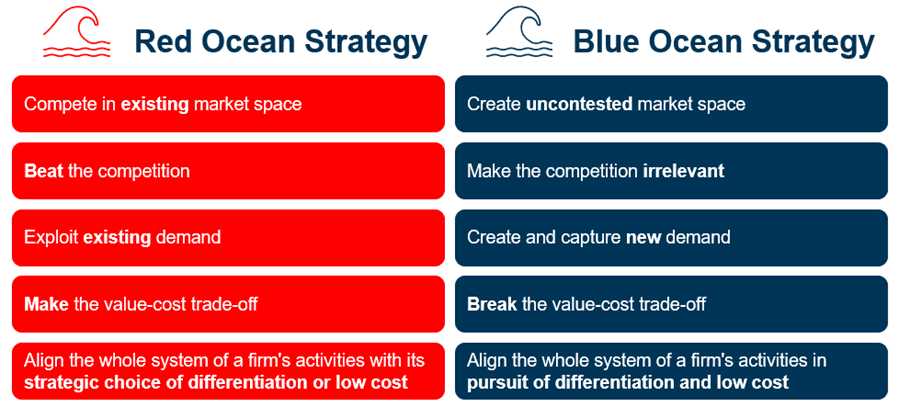
Create a new, uncontested market space.
✅ Characteristics:
Focus on innovation & value creation
Make the competition irrelevant
Capture new demand
Break the value-cost trade-off
Create AND capture new market space
🔍 Example:
Cirque du Soleil redefined the circus experience by blending circus with theater — no animals, higher prices, artistic value — creating a new market.
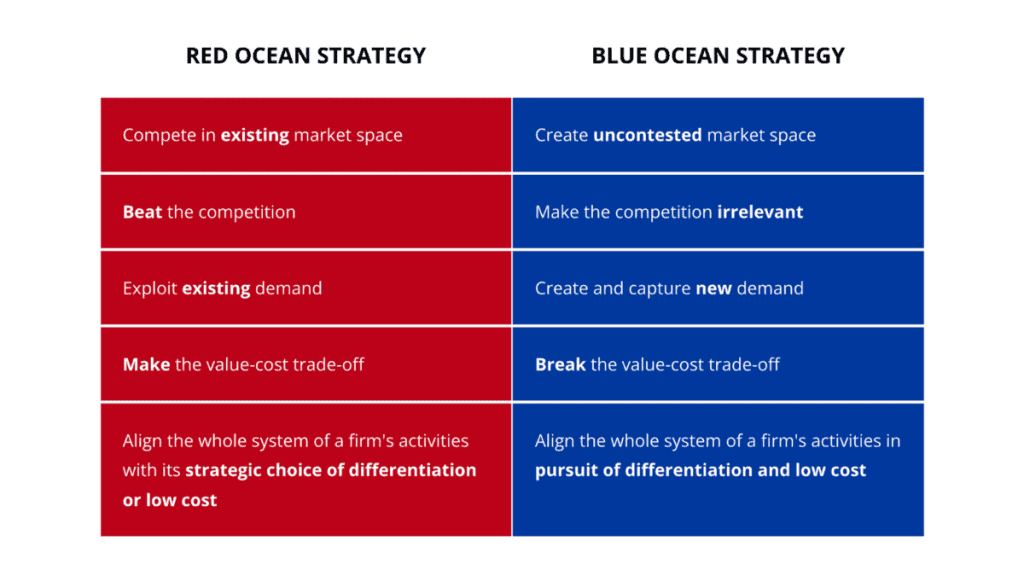
Feature
Red Ocean
Blue Ocean
Market Space
Existing
New / Uncontested
Competition
Beat the competition
Make competition irrelevant
Demand
Exploit existing demand
Create new demand
Focus
Either cost OR differentiation
Cost AND differentiation (value innovation)
Strategy Goal
Gain bigger slice of market
Create a new market
Risk Level
Competitive pressure
Innovation risk, but high reward
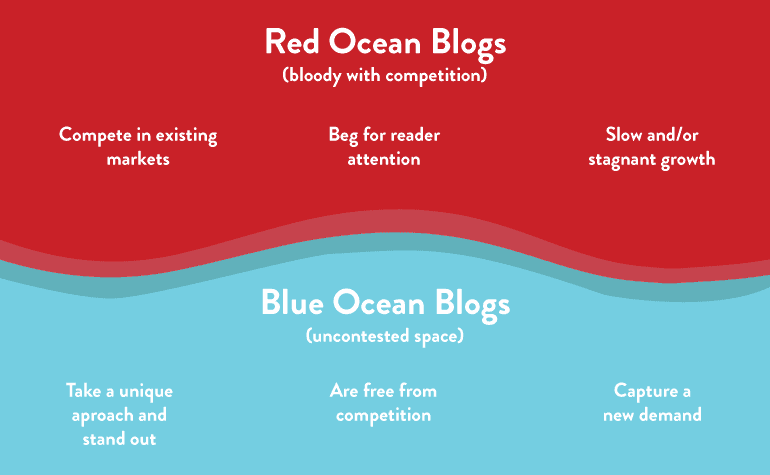
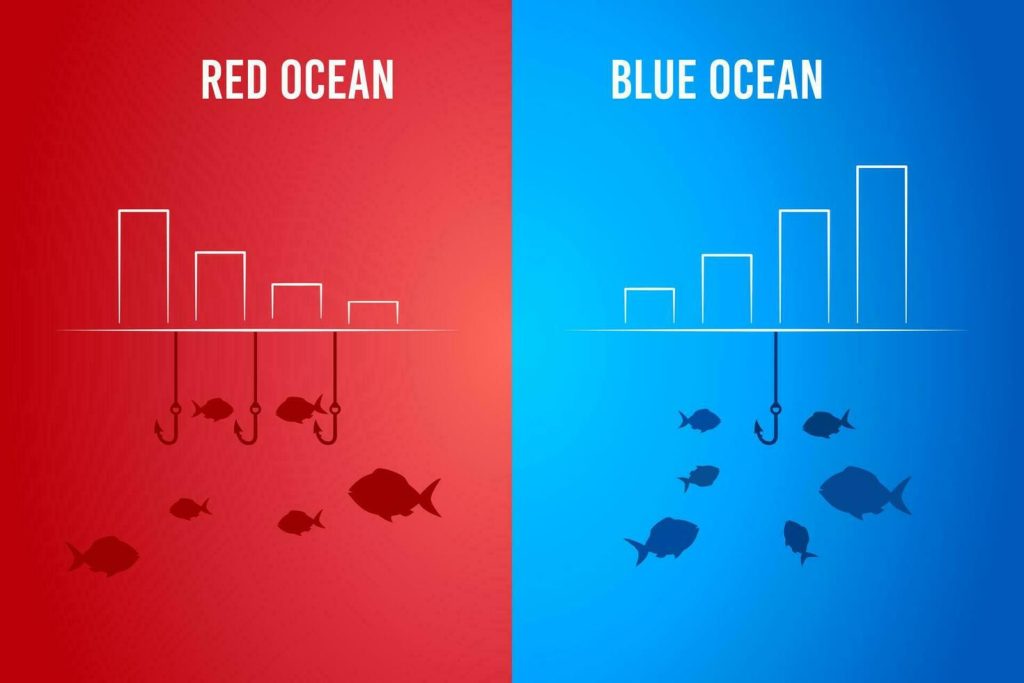
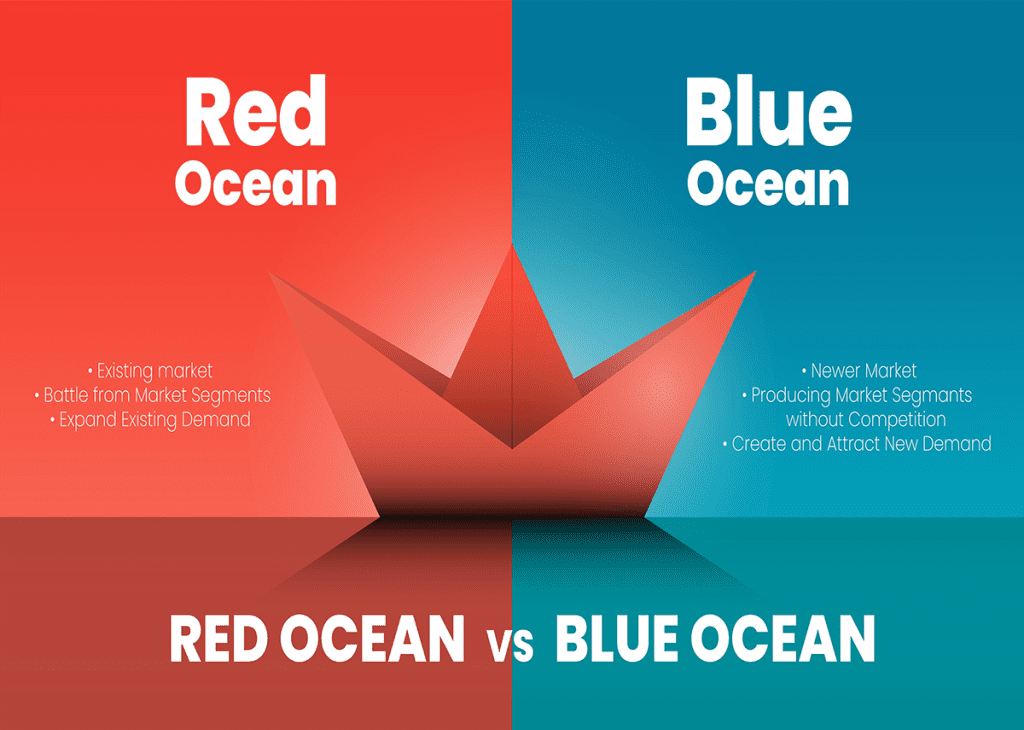
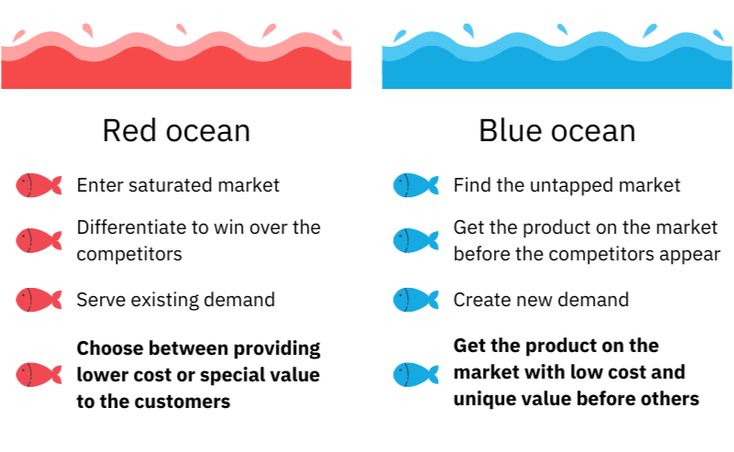
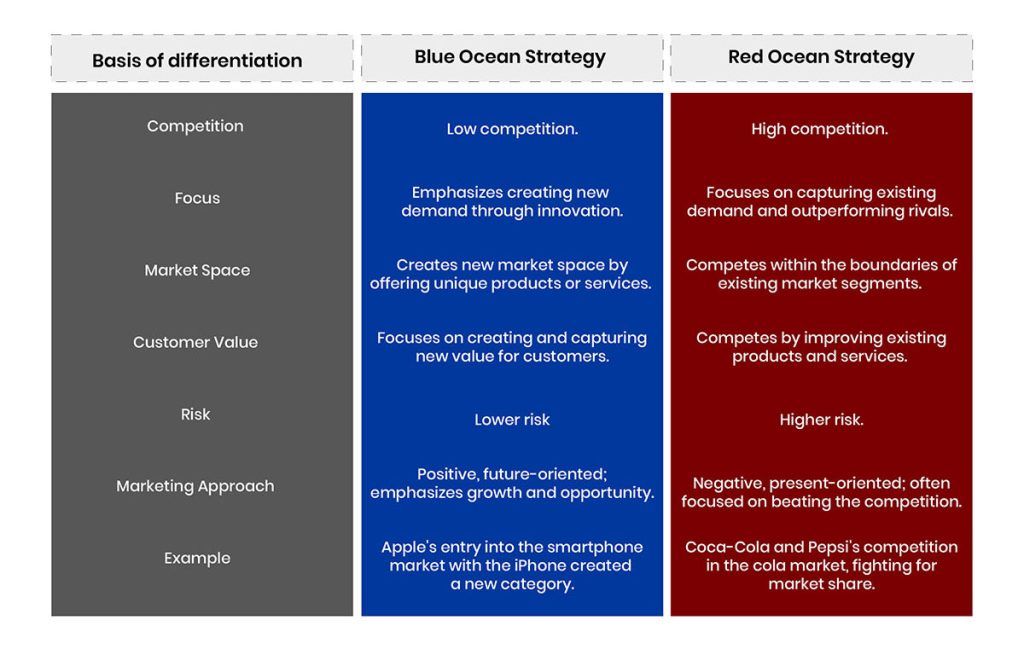
The chart has boats in the colored sea. The Blue Ocean Strategy concept presentation is a vector infographic element of marketing. The red has bloody mass competition and the blue is a niche market.The chart has boats in the colored sea. The Blue Ocean Strategy concept presentation is a vector infographic element of marketing. The red has bloody mass competition and the blue is a niche market.
Verifying your identity on Mastodon is for everyone. Based on open web standards, now and forever free. All you need is a personal website that people recognize you by. When you link to this website from your profile, we will check that the website links back to your profile and show a visual indicator on it.
Here’s how
Copy and paste the code below into the HTML of your website. Then add the address of your website into one of the extra fields on your profile from the “Edit profile” tab and save changes.
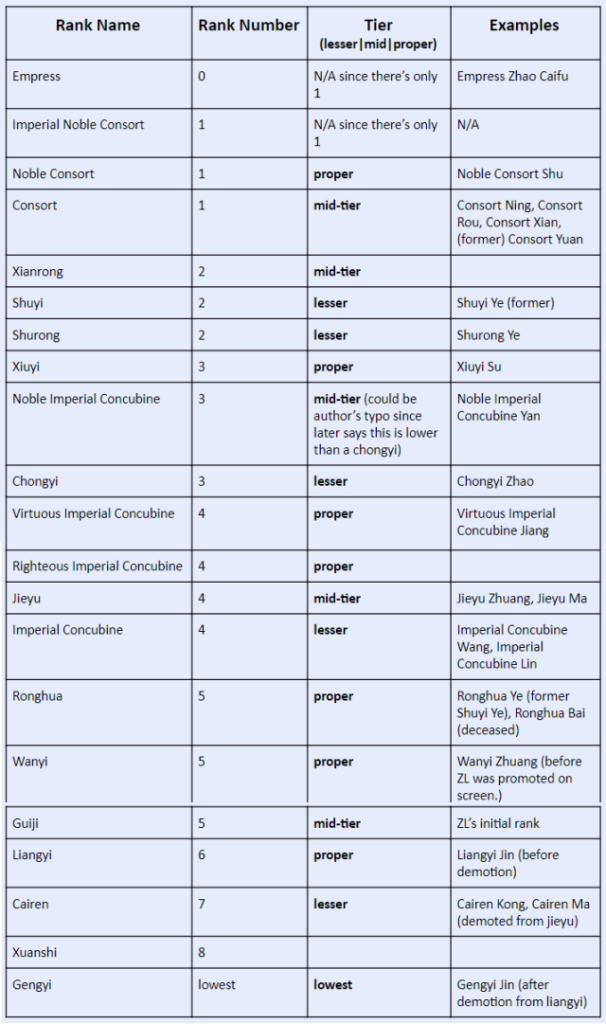
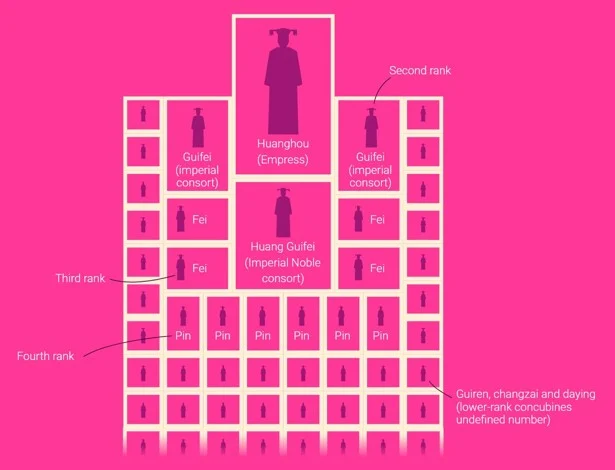
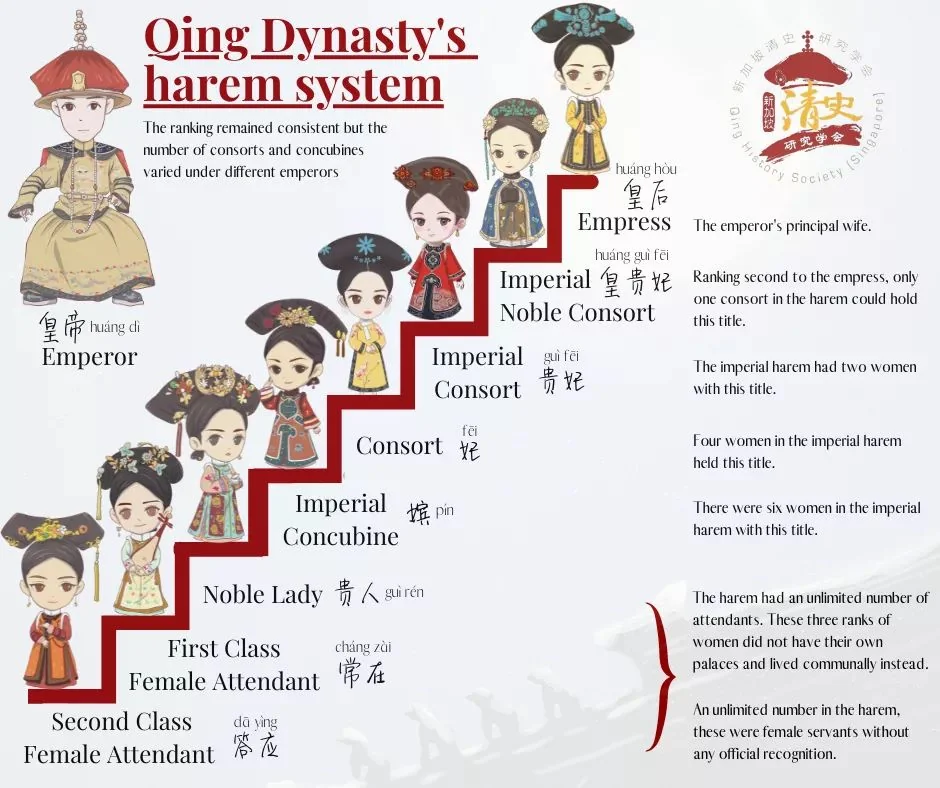
The ranking system for an emperor’s wives and consorts was detailed and varied across different Chinese dynasties. Here’s a more comprehensive breakdown, including variations from different dynasties like the Tang (618–907), Song (960–1279), Ming (1368–1644), and Qing (1644–1912) Dynasties.
Factors influencing rank:
Family background: Women from prominent families often received higher ranks.
Emperor’s favor: A concubine who gained the emperor’s favor could be elevated in rank.
Ability to bear children: Concubines who gave birth to the emperor’s heirs often received higher status.
1. Empress (皇后, Huánghòu) – First Rank
The highest-ranking wife of the emperor, his main consort.
She had authority over all the emperor’s consorts and the harem.
Wore the Phoenix Crown (凤冠, Fèngguān) as a symbol of power.
The Empress gave birth to the heir (Crown Prince) whenever possible.
2. Imperial Noble Consort (皇贵妃, Huáng Guìfēi) – Second Rank
Just below the empress but still held significant influence.
This rank was not always present in earlier dynasties but became common in the Ming and Qing Dynasties.
3. Noble Consort (贵妃, Guìfēi) – Third Rank
Higher than most other consorts but below the Imperial Noble Consort.
Usually, one or two women held this title.
4. Consort (妃, Fēi) – Fourth Rank
A mid-tier consort with noble status.
In the Qing Dynasty, there were typically four Consorts at a time.
5. Imperial Concubine (嫔, Pín) – Fifth Rank
A recognized consort but of lower status.
Had limited influence in court matters.
6. Noble Lady (贵人, Guìrén) – Sixth Rank
The lowest official rank in the imperial harem.
Some noble ladies could rise in rank if favored by the emperor.
7. First Attendant (常在, Chángzài) – Seventh Rank
Lower than a Noble Lady but still part of the emperor’s harem.
Had minimal influence but could be promoted.
8. Second Attendant (答应, Dāyìng) – Eighth Rank
The lowest recognized rank.
Mostly served the emperor without real power.
9. Palace Maids (宫女, Gōngnǚ) – Unranked
Not official consorts but worked in the inner palace.
Could sometimes be promoted if favored by the emperor.
Other Titles (Special Cases & Retired Consorts)
Empress Dowager (皇太后, Huáng Tàihòu) – The widow of a deceased emperor, often the mother of the new emperor.
Grand Empress Dowager (太皇太后, Tài Huáng Tàihòu) – The grandmother of the reigning emperor.
Virtuous Consorts (昭仪, Zhāoyí; 修仪, Xiūyí, etc.) – Titles used in some dynasties like the Tang, referring to special-ranked concubines with unique responsibilities.
Each dynasty had slight variations, but this structure provides a detailed view of the emperor’s wives’ ranks throughout Chinese history. Would you like information on a specific dynasty or any famous empresses? 😊
Mersenne Prime and Mersenne Twister are two distinct mathematical/computational concepts that share part of their name but serve completely different purposes. Here’s a breakdown of the differences:
1. Mersenne Prime
Definition: A Mersenne prime is a special type of prime number that can be expressed in the form:
Mn=2n−1
where nnn is a positive integer and MnM_nMn is prime.
Example: For n=2n = 2n=2, M2=22−1=3M_2 = 2^2 – 1 = 3M2=22−1=3 (which is prime). For n=3n = 3n=3, M3=23−1=7M_3 = 2^3 – 1 = 7M3=23−1=7 (which is also prime). However, not all numbers of the form 2n−12^n – 12n−1 are prime (e.g., 24−1=152^4 – 1 = 1524−1=15, which is not prime).
Applications:
Mersenne primes are closely related to perfect numbers, which are integers equal to the sum of their proper divisors.
They are of interest in number theory and are used in cryptographic algorithms.
In summary, while Mersenne primes are a special class of numbers studied in mathematics, the Mersenne Twister is a practical tool for random number generation in computing, inspired by the mathematical properties of Mersenne primes.
Why Are Mersenne Primes Special?
Rare: Not all numbers of the form 2n−12^n – 12n−1 are prime; nnn must itself be prime for 2n−12^n – 12n−1 to have a chance of being prime, but even then, not all such numbers are prime.
Connection to Perfect Numbers: Every Mersenne prime is associated with an even perfect number (a number equal to the sum of its proper divisors).
2. Mersenne Twister
Definition: The Mersenne Twister is a pseudorandom number generator (PRNG) developed by Makoto Matsumoto and Takuji Nishimura in 1997 and designed for generating sequences of random numbers with a very long period. It is named “Mersenne” because its period length is a Mersenne prime, specifically 219937−12^{19937} – 1219937−1.
Purpose: To generate sequences of numbers that approximate true randomness for applications in simulations, games, statistical sampling, and more.
Key Characteristics:
Period: Extremely long period (219937−12^{19937} – 1219937−1).
Speed: Very fast and efficient for generating random numbers.
Quality: Produces numbers with a uniform distribution and passes many statistical tests for randomness.
Applications:
Widely used in simulations, cryptographic applications (though not cryptographically secure), and any situation requiring high-quality random number generation.
Efficiency:
It is computationally efficient, capable of generating random numbers quickly, making it suitable for applications requiring large volumes of random data.
Quality of Randomness:
The Mersenne Twister passes most standard statistical tests for randomness, ensuring the generated sequences appear random and unbiased.
How Does It Work?
The Mersenne Twister works by maintaining an internal state array of size N=624N = 624N=624, with each element being a 32-bit integer. The generator progresses by:
Initialization:
The state array is initialized using a seed value (often a single integer).
Recurrence Relation:
The generator uses a linear recurrence relation to update its state. At each step, a new value is computed by combining elements of the state array using bitwise operations and a carefully chosen set of constants.
Tempering:
The output is “tempered” (processed further) to improve statistical properties and ensure the generated numbers are distributed uniformly.
Applications
Simulations:
Widely used in Monte Carlo simulations and scientific modeling where high-quality random numbers are required.
Games:
Randomness in video games, such as dice rolls, loot drops, or random events, often relies on the Mersenne Twister.
Statistical Sampling:
Random sampling from datasets in statistics and machine learning.
Randomized Algorithms:
Used in algorithms requiring randomness, such as quicksort or hash table probing.
Strengths
Extremely Long Period: The massive period ensures that the generator doesn’t repeat its sequence in realistic use cases.
Speed: Generates random numbers efficiently.
High Quality: It meets strict randomness requirements, making it suitable for most non-cryptographic applications.
Limitations
Not Cryptographically Secure:
The Mersenne Twister is predictable if an attacker knows part of its internal state or a sequence of generated numbers. For cryptographic purposes, use secure PRNGs like Cryptographically Secure PseudoRandom Number Generators (CSPRNGs).
Memory Usage:
The state array of size 624 integers (about 2.5 KB) is larger than simpler PRNGs like the Linear Congruential Generator (LCG).
Initialization Time:
Initializing the state array can be slower compared to simpler generators.
Variants
Several variants of the Mersenne Twister have been developed to address specific use cases:
MT19937:
The original 32-bit version of the Mersenne Twister.
MT19937-64:
A 64-bit version of the Mersenne Twister, designed for 64-bit systems.
TinyMT:
A smaller version with reduced state size, designed for embedded systems or applications with limited memory.
How to Use the Mersenne Twister in Programming
Most modern programming languages and libraries include the Mersenne Twister as the default or available PRNG:
Python
import random

random.seed(42)  # Initialize the generator with a seed
print(random.random())  # Generate a random float between 0 and 1
C++
#include <random>

std::mt19937 mt(42);  // Initialize with a seed
std::uniform_real_distribution<double> dist(0.0, 1.0);

double random_value = dist(mt);  // Generate a random number
Key Differences
Aspect
Mersenne Prime
Mersenne Twister
Nature
Mathematical concept (prime number).
Algorithm for pseudorandom number generation.
Form
2n−12^n – 12n−1, where nnn is a positive integer and 2n−12^n – 12n−1 is prime.
Uses a long recurrence relation to generate random numbers.
Purpose
Studied in number theory.
Used in computational random number generation.
Applications
Cryptography, pure math research.
Simulations, games, machine learning, etc.
Manage Cookie Consent
To provide the best experiences, we use technologies like cookies to store and/or access device information. Consenting to these technologies will allow us to process data such as browsing behavior or unique IDs on this site. Not consenting or withdrawing consent, may adversely affect certain features and functions.
Functional
Always active
The technical storage or access is strictly necessary for the legitimate purpose of enabling the use of a specific service explicitly requested by the subscriber or user, or for the sole purpose of carrying out the transmission of a communication over an electronic communications network.
Preferences
The technical storage or access is necessary for the legitimate purpose of storing preferences that are not requested by the subscriber or user.
Statistics
The technical storage or access that is used exclusively for statistical purposes.The technical storage or access that is used exclusively for anonymous statistical purposes. Without a subpoena, voluntary compliance on the part of your Internet Service Provider, or additional records from a third party, information stored or retrieved for this purpose alone cannot usually be used to identify you.
Marketing
The technical storage or access is required to create user profiles to send advertising, or to track the user on a website or across several websites for similar marketing purposes.
To provide the best experiences, we use technologies like cookies to store and/or access device information. Consenting to these technologies will allow us to process data such as browsing behavior or unique IDs on this site. Not consenting or withdrawing consent, may adversely affect certain features and functions.