Jasa Marketing Google Ads dan Komunitas SEO Indonesia

2023-03-01

2024-03-01

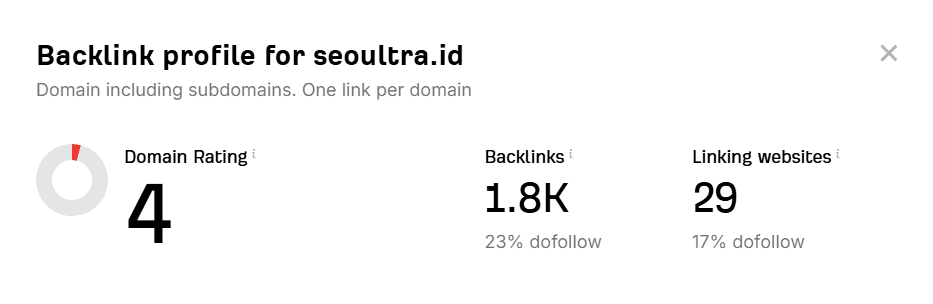
2024-04-01

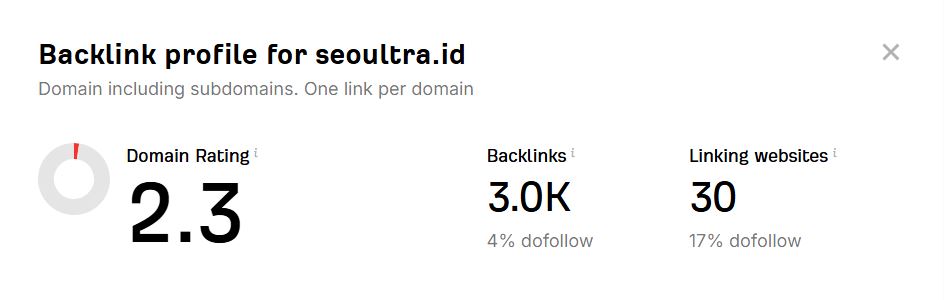
2025-05-15

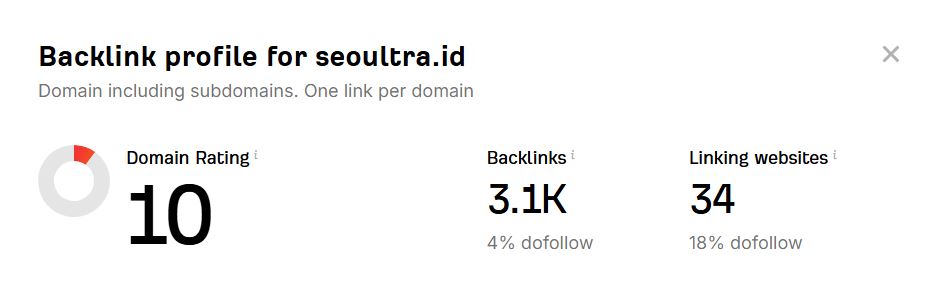
2025-06-08


2026-06-08


2026-06-18


2026-08-31
Jasa Marketing Google Ads dan Komunitas SEO Indonesia
2023-03-01
2024-03-01
2024-04-01
2025-05-15
2025-06-08
2026-06-08
2026-06-18
2026-08-31

是否自己掉著眼淚,哭紅了眼睛
Shìfǒu zìjǐ diào zhe yǎnlèi, kū hóng le yǎnjing
Are you crying by yourself, your eyes red from tears?
Apakah kamu menangis sendirian, hingga matamu memerah?
走在陌生街道,熟悉的聲音
Zǒu zài mòshēng jiēdào, shúxī de shēngyīn
Walking down unfamiliar streets, hearing a familiar voice
Berjalan di jalanan asing, mendengar suara yang familiar
別太著急,我在這裡,不用擔心你的曾經
Bié tài zhāojí, wǒ zài zhèlǐ, bú yòng dānxīn nǐ de céngjīng
Don’t be too anxious, I’m here, don’t worry about your past
Jangan terlalu cemas, aku di sini, jangan khawatir tentang masa lalumu
不要哭泣,不捨的你,你在墜落
Bú yào kūqì, bù shě de nǐ, nǐ zài zhuìluò
Don’t cry, my precious one, you’re falling
Jangan menangis, kamu yang begitu berharga, kamu sedang terjatuh
我會用力接住你
Wǒ huì yònglì jiē zhù nǐ
I will catch you and hold you tight
Aku akan menangkapmu dan memelukmu erat
你聽見了嗎,你聽見了嗎,你聽見了嗎
Nǐ tīngjiàn le ma, nǐ tīngjiàn le ma, nǐ tīngjiàn le ma
Can you hear me, can you hear me, can you hear me?
Apakah kamu mendengarku, apakah kamu mendengarku, apakah kamu mendengarku?
我會一直在你身旁
Wǒ huì yìzhí zài nǐ shēnpáng
I will always be by your side
Aku akan selalu berada di sisimu
別太著急,我在這裡,不用擔心你的曾經
Bié tài zhāojí, wǒ zài zhèlǐ, bú yòng dānxīn nǐ de céngjīng
Don’t be too anxious, I’m here, don’t worry about your past
Jangan terlalu cemas, aku di sini, jangan khawatir tentang masa lalumu
不要哭泣,不捨的你,你在墜落
Bú yào kūqì, bù shě de nǐ, nǐ zài zhuìluò
Don’t cry, my precious one, you’re falling
Jangan menangis, kamu yang begitu berharga, kamu sedang terjatuh
我會用力接住你
Wǒ huì yònglì jiē zhù nǐ
I will catch you and hold you tight
Aku akan menangkapmu dan memelukmu erat
你聽見了嗎,你聽見了嗎,你聽見了嗎
Nǐ tīngjiàn le ma, nǐ tīngjiàn le ma, nǐ tīngjiàn le ma
Can you hear me, can you hear me, can you hear me?
Apakah kamu mendengarku, apakah kamu mendengarku, apakah kamu mendengarku?
我會一直在你身旁
Wǒ huì yìzhí zài nǐ shēnpáng
I will always be by your side
Aku akan selalu berada di sisimu

我最近聽說
Wǒ zuìjìn tīngshuō
I recently heard
分開后的你好像更快樂
Fēnkāi hòu de nǐ hǎoxiàng gèng kuàilè
That after we separated, you seem happier
本該替你開心為何又替自己難過
Běn gāi tì nǐ kāixīn, wèihé yòu tì zìjǐ nánguò
I should be happy for you, so why am I sad for myself again?
還給你解脫
Hái gěi nǐ jiětuō
I even gave you your freedom
又害怕你很快就忘了我
Yòu hàipà nǐ hěn kuài jiù wàng le wǒ
Yet I’m afraid you’ll soon forget me
這種感覺比中了槍還要痛徹
Zhè zhǒng gǎnjué bǐ zhòng le qiāng hái yào tòngchè
This feeling hurts even more than being shot
我明明知道
Wǒ míngmíng zhīdào
I clearly know
誰離開了誰都能好好過
Shéi líkāi le shéi dōu néng hǎohāo guò
That whoever leaves, both people can go on and live well
勸着自己放下偏偏回憶不放過我
Quànzhe zìjǐ fàngxià, piānpiān huíyì bù fàngguò wǒ
I tell myself to let go, but memories just won’t let me go
你說走就走
Nǐ shuō zǒu jiù zǒu
You said you were leaving, and you simply left
眼裡沒有一絲絲的不舍
Yǎn lǐ méiyǒu yì sī sī de bùshě
There wasn’t even the slightest trace of reluctance in your eyes
我該怎麼習慣沒有你的生活
Wǒ gāi zěnme xíguàn méiyǒu nǐ de shēnghuó
How am I supposed to get used to a life without you?
我發了瘋的愛你
Wǒ fā le fēng de ài nǐ
I loved you like I was crazy
又拼了命的忘記
Yòu pīn le mìng de wàngjì
And desperately tried to forget you
nga ni nion bai qu la ga so dui qie nai jie zi qie
(phonetic transcription as provided)
早知會痛
Zǎo zhī huì tòng
If I had known it would hurt
我就不該動情
Wǒ jiù bù gāi dòngqíng
I should never have fallen in love
na zu nga xie nga yi ze dung mi jin
(phonetic transcription as provided)
我奉上全部真心
Wǒ fèngshàng quánbù zhēnxīn
I gave you all of my true love
沒有回頭的餘地
Méiyǒu huítóu de yúdì
With no room to turn back
卻換來你不要我的結局
Què huànlái nǐ bú yào wǒ de jiéjú
Yet all I got in return was an ending where you didn’t want me
我發了瘋的愛你
Wǒ fā le fēng de ài nǐ
I loved you like I was crazy
又拼了命的回憶
Yòu pīn le mìng de huíyì
And desperately held onto the memories
nga ni nion bai qu la ga so dui qie nai qi zhen qie
(phonetic transcription as provided)
想過找你
Xiǎng guò zhǎo nǐ
I’ve thought about looking for you
我卻沒有勇氣
Wǒ què méiyǒu yǒngqì
But I don’t have the courage
qu cou sam yang nga la ning dob min du
(phonetic transcription as provided)
有一種方式死心
Yǒu yì zhǒng fāngshì sǐxīn
There is one way to finally give up
是找個人代替你
Shì zhǎo ge rén dàitì nǐ
And that is to find someone to replace you
可惜我生命里除了你
Kěxī wǒ shēngmìng lǐ chúle nǐ
Sadly, in my life, apart from you
誰也走不進去
Shéi yě zǒu bù jìnqù
No one else can enter
我明明知道
Wǒ míngmíng zhīdào
I clearly know
誰離開了誰都能好好過
Shéi líkāi le shéi dōu néng hǎohāo guò
That whoever leaves, both people can go on and live well
勸着自己放下偏偏回憶不放過我
Quànzhe zìjǐ fàngxià, piānpiān huíyì bù fàngguò wǒ
I tell myself to let go, but memories just won’t let me go
你說走就走
Nǐ shuō zǒu jiù zǒu
You said you were leaving, and you simply left
眼裡沒有一絲絲的不舍
Yǎn lǐ méiyǒu yì sī sī de bùshě
There wasn’t even the slightest trace of reluctance in your eyes
我該怎麼習慣沒有你的生活
Wǒ gāi zěnme xíguàn méiyǒu nǐ de shēnghuó
How am I supposed to get used to a life without you?
我發了瘋的愛你
Wǒ fā le fēng de ài nǐ
I loved you like I was crazy
又拼了命的忘記
Yòu pīn le mìng de wàngjì
And desperately tried to forget you
nga ni nion bai qu la ga so dui qie nai jie zi qie
(phonetic transcription as provided)
早知會痛
Zǎo zhī huì tòng
If I had known it would hurt
我就不該動情
Wǒ jiù bù gāi dòngqíng
I should never have fallen in love
na zu nga xie nga yi ze dung mi jin
(phonetic transcription as provided)
我奉上全部真心
Wǒ fèngshàng quánbù zhēnxīn
I gave you all of my true love
沒有回頭的餘地
Méiyǒu huítóu de yúdì
With no room to turn back
卻換來你不要我的結局
Què huànlái nǐ bú yào wǒ de jiéjú
Yet all I got in return was an ending where you didn’t want me
我發了瘋的愛你
Wǒ fā le fēng de ài nǐ
I loved you like I was crazy
又拼了命的回憶
Yòu pīn le mìng de huíyì
And desperately held onto the memories
nga ni nion bai qu la ga so dui qie nai qi zhen qie
(phonetic transcription as provided)
想過找你
Xiǎng guò zhǎo nǐ
I’ve thought about looking for you
我卻沒有勇氣
Wǒ què méiyǒu yǒngqì
But I don’t have the courage
qu cou sam yang nga la ning dob min du
(phonetic transcription as provided)
有一種方式死心
Yǒu yì zhǒng fāngshì sǐxīn
There is one way to finally give up
是找個人代替你
Shì zhǎo ge rén dàitì nǐ
And that is to find someone to replace you
可惜我生命里除了你
Kěxī wǒ shēngmìng lǐ chúle nǐ
Sadly, in my life, apart from you
誰也走不進去
Shéi yě zǒu bù jìnqù
No one else can enter

Tidak semua yang kita inginkan akan terwujud dan tidak semua yang kita takutkan akan terjadi.
并非所有我们期盼的都会实现,也并非所有我们恐惧的都会发生。
Bìngfēi suǒyǒu wǒmen qīpàn de dū huì shíxiàn, yě bìngfēi suǒyǒu wǒmen kǒngjù de dū huì fāshēng.
Not everything we desire will come true, and not everything we fear will happen.
Không phải tất cả những gì chúng ta mong muốn đều thành hiện thực, và không phải tất cả những gì chúng ta lo sợ đều sẽ xảy ra.
ไม่ใช่ทุกสิ่งที่เราปรารถนาจะกลายเป็นจริง และไม่ใช่ทุกสิ่งที่เรากลัวจะเกิดขึ้น
For those of you who like fierce battle scenes involving a group of men with a vibrant youth, High And Low is a film that deserves to be recommended to you.
This isn’t just a story about a bunch of young people hitting other people because they find it fun, it’s so corny, but it’s so much more than that. This is a story about a group of young people who fight against each other because they think that’s the only way for them to go.
You will see how friendship, betrayal, search for identity, revenge, hope, dreams, and peace build the entire focus of the story in the film.
Ok, now you are getting more interested and immediately want to see it for yourself, so I will guide you how to watch High And Low in chronological order.
A legend begins in a town. Mugen, a powerful gang managed to control the area with extraordinary combat power. But a pair of men who call themselves the Amamiya Brothers refuse to submit to Mugen and they fight without a winner.
The story that became a legend in the city grew when Mugen disbanded after a mysterious incident and the powerful and invincible Amamiya Brothers also disappeared. Five new groups emerged and quickly took control of the areas Mugen had left behind.
They are Sannoh Rengokai, White Rascals, Oya Koukou, Rude Boys, and Daruma Ikka. The five groups are tasked with maintaining balance and are known as S.W.O.R.D.
血债必须要血偿
Blood debt must be paid in blood
Hutang darah harus dibayar dengan darah

Japan now allows Indonesian E-Passport holders to apply for JAVES (Visa Waiver) fully online at:
https://www.evisa.mofa.go.jp/personal/logintoko
No embassy visit. No sticker. 100% digital.
A visa-exemption program for Indonesian biometric E-Passports, allowing short-term travel to Japan without applying for a regular visa.
Note: Non-chip regular passports are NOT eligible.
| Feature | JAVES Online |
|---|---|
| Eligibility | Indonesian E-Passport |
| Entry | Multiple |
| Stay | 15 days/visit |
| Validity | Up to 3 years |
| Reapply? | Only when expired |
| Format | Digital (no sticker) |
| Cost | Free |


Let’s first recap the pattern from all previous 4 cycles:
| Cycle | Halving | ATH Lag (months) | ATH Date | ATH Price | % from Halving |
|---|---|---|---|---|---|
| 1 | Nov 2012 | ~12 | Nov 2013 | $1.1k | +9,000 % |
| 2 | Jul 2016 | ~17 | Dec 2017 | $19.6k | +2,400 % |
| 3 | May 2020 | ~18 | Nov 2021 | $69k | +250 % |
| 4 | Apr 2024 | ~16 (so far) | Aug 2025 (so far) | $124k | +80 % |
| 5 (future) | ~Mar 2028 (estimated) | ? | ? | ? | ? |
| Scenario | Expected ATH Year | Time from Halving | Reasoning |
|---|---|---|---|
| Base Case (historical average) | Late 2025 → Early 2026 | 16–18 months | Mirrors 2016/2020 pattern; supply shock from 2024 halving peaks mid-2026 |
| Extended Cycle (ETF & institutional adoption) | Mid 2026 → Late 2027 | 20–28 months | Slower but longer bull due to capital inflow pacing |
| Aggressive Case (compressed FOMO) | Aug 2025 → Dec 2025 | 12–16 months | Continuation of 2025’s parabolic run if liquidity surges fast |
| Next-Cycle ATH (after 2028 halving) | Late 2029 → 2030 | 16–20 months | For Cycle 5; long-term 8-year super-cycle potential |
| Cycle | Predicted ATH Range | Basis |
|---|---|---|
| 2025–2026 Bull Peak | $180 k – $250 k | Follows 2×–3× growth from previous $69 k ATH (Cycle 3 → 4 pattern) |
| 2027 Extended Peak | $250 k – $350 k | If cycle elongates + institutional ETFs keep absorbing supply |
| 2030 Next-Cycle ATH | $500 k – $750 k | Assuming post-2028 halving and sustained macro adoption |
| Phase | Year Range | Cycle Behavior | Expected Trend |
|---|---|---|---|
| Accumulation | 2023 – Apr 2024 | Pre-halving consolidation | Neutral to slightly bullish |
| Bull Run | Apr 2024 – 2026 | Post-halving expansion | 🚀 Major price appreciation |
| Peak + Distribution | Late 2025 – 2026 | Parabolic top formation | Potential $200 k–$250 k ATH |
| Bear Market | 2026 – 2027 | Cooling, 60–80 % drawdown | Return to ~$80 k–$100 k |
| Recovery → Next Halving | 2027 – 2028 | Slow rebuild | Prepares for next run |
| Next ATH | 2029 – 2030 | Cycle 5 climax | Possible $500 k + |
📅 Most probable next ATH:
Between Aug 2025 – Mar 2026
📈 Expected range: $180 k – $250 k USDIf the cycle extends (ETF/slow FOMO scenario), ATH could delay to 2027, but less likely beyond that.
👉 The lag is consistently 12–18 months after halving — even as returns compress.
Thus, the statistically strongest window for the next peak is Apr 2025 → Oct 2025 → Mar 2026.
This timeline illustrates Bitcoin’s 4-year halving cycles, highlighting the bull (green), bear (red), and accumulation (gray) phases, along with ATH (All-Time High) milestones and future projections.
| Year | Phase | Description | Halving | ATH | Notes |
|---|---|---|---|---|---|
| 2012 | ⚙️ Accumulation | Bitcoin emerging market, price <$10 | ✅ Nov 2012 | — | Start of first halving cycle |
| 2013 | 🟩 Bull Run | Price rises from ~$13 → $1,163 | — | Nov 2013 | +9,000% gain; first major mania |
| 2014–2015 | 🔴 Bear | 83% drawdown; Mt. Gox crash | — | — | Bottom near $150 |
| 2016 | ⚙️ Accumulation → Bull Start | Recovery begins | ✅ Jul 2016 | — | Entry to second cycle |
| 2017 | 🟩 Bull Run | Price $1k → $19.6k | — | Dec 2017 | +2,400% gain |
| 2018 | 🔴 Bear | 84% drop | — | — | Crypto Winter |
| 2019 | ⚙️ Accumulation | Sideways 3k–10k | — | — | Pre-halving buildup |
| 2020 | 🟩 Bull Run Start | COVID bottom → strong rally | ✅ May 2020 | — | Supply shock begins |
| 2021 | 🟩 Bull Run Peak | $69k ATH | — | Nov 2021 | +250% cycle gain |
| 2022 | 🔴 Bear | FTX/LUNA collapse; bottom ~$15k | — | — | 77% drawdown |
| 2023 | ⚙️ Accumulation | Recovery 20k → 40k | — | — | ETF anticipation builds |
| 2024 | 🟩 Bull Run Start | Post-halving rally begins | ✅ Apr 2024 | — | Cycle 4 active |
| 2025 | 🟩 Bull Run Peak | ATH ~$124k | — | Aug 2025 | +80% from prev. ATH |
| 2026 | 🟥 Transition → Bear | Cooling, distribution phase | — | — | Top formation year |
| 2027 | 🔴 Bear | Retest ~80–100k zone | — | — | 60–70% correction expected |
| 2028 | ⚙️ Accumulation | Rebuild phase | ✅ Mar 2028 (est.) | — | Start of Cycle 5 |
| 2029–2030 | 🟩 Bull Run | Massive liquidity + adoption | — | 2030 (est.) | Predicted ATH $500k–750k |
| Metric | Historical Avg | Future Expectation |
|---|---|---|
| Cycle Length | 4 years (≈48 months) | May extend to 5 years (60 mo) |
| Time from Halving → ATH | 16–18 months | 18–24 months (extended cycle) |
| Bull Run Green Months | ~10–12 | 10–14 (expected) |
| Bearish Red Months | ~9–10 | 9–12 (expected) |
| Avg Bull Gain | 20–60× | 2–4× from last ATH |
| Scenario | Expected ATH Year | Price Range | Confidence |
|---|---|---|---|
| Base Case (historical) | Late 2025 – Early 2026 | $180k – $250k | ⭐⭐⭐⭐ |
| Extended Cycle | Mid 2026 – Late 2027 | $250k – $350k | ⭐⭐⭐ |
| Next Halving Cycle (Cycle 5) | Late 2029 – 2030 | $500k – $750k | ⭐⭐⭐⭐ |
(Data derived from BTC historical monthly closes, halving events, and cycle averages from 2012–2025.)
Matchmaking isn’t just about dating apps or game lobbies—it’s any system that pairs people (or teams) with other people, tasks, or opportunities. Below is a compact, practical guide to the major matchmaking types you’ll find around the world and how each is used.