Karma Code

If you sow melons, you will reap melons, if you sow beans, you will reap beans.
種瓜得瓜 種豆得豆
Zhǒng guā dé guā zhǒng dòu dé dòu

Isn’t this cause and effect?
這不是因果嗎?
zhè bùshì yīnguǒ ma?

Cause and effect is science
因果是科學
Yīnguǒ shì kēxué

It definitely exists
絕對是存在的
juéduì shì cúnzài de

(Yep, what up, Jack?)

Lanlao
攬佬
Lǎn lǎo

God bless you, there are mountains of gold and silver on the road ahead
老天保佑金山銀山前路有
Lǎo tiān bǎoyòu jīnshān yínshān qián lù yǒu

God instructs you to ignore the fight between dragons and tigers.
老天教唆別管江湖龍虎鬥
lǎo tiān jiàosuō bié guǎn jiānghú lónghǔ dòu

God told me to never lose my kindness in this life
老天叮囑這輩子我善不丟
lǎo tiān dīngzhǔ zhè bèizǐ wǒ shàn bù diū

God is afraid that Thirty-Six Thunder will always hit autumn (yeah, ayy)
老天就怕三十六雷總打秋 (yeah, ayy)
lǎo tiān jiù pà sānshíliù léi zǒng dǎ qiū (yeah, ayy)

Monsters always appear after the autumn harvest (settling accounts)
魑魅魍魎總出現在秋收後 (算賬)
Chīmèiwǎngliǎng zǒng chū xiànzài qiūshōu hòu (suànzhàng)

Monsters always appear after the autumn harvest (destroyed)
魑魅魍魎總出現在秋收後 (消滅)
chīmèiwǎngliǎng zǒng chū xiànzài qiūshōu hòu (xiāomiè)

God allows me to eradicate rodents with one stick (number of days)
老天讓我一棍剷除齧齒類 (天數)
lǎo tiān ràng wǒ yī gùn chǎnchú nièchǐ lèi (tiānshù)

The second stick is enchanted and I penetrate the opponent’s building (huh)
第二棍附魔我打穿對家樓 (huh)
dì èr gùn fùmó wǒ dǎ chuān duì jiā lóu (huh)

cause and effect
因果
Yīnguǒ

cause and effect
因果
yīnguǒ

(God asked me to put down the butcher knife but this is his ayy)
(老天讓放下屠刀但這是他的 ayy)
(lǎo tiān ràng fàngxià túdāo dàn zhè shì tā de ayy)

cause and effect
因果
yīnguǒ

cause and effect
因果
yīnguǒ

(Should I put down my butcher knife? Ayy)
(該不該放下屠刀? Ayy)
(gāi bù gāi fàngxià túdāo? Ayy)

if put
如果放
Rúguǒ fàng

Hungry ghosts lurk in the corner and can be beaten every minute (beat)
角落潛伏餓鬼分分鐘一棒 (打)
jiǎoluò qiánfú èguǐ fēn fēnzhōng yī bàng (dǎ)

If mentioned
如果提
rúguǒ tí

If the evil thoughts in your heart outweigh the good ones, there is no way to calm them down
心中惡念超過善的話沒辦法平
xīnzhōng èniàn chāoguò shàn dehuà méi bànfǎ píng

To pay off debt
要還債
Yào huánzhài

The soldiers come to stop me because I am a Nephalem
兵來將擋因為我是個奈非天
bīngláijiāngdǎng yīnwèi wǒ shìgè nài fēi tiān

on wrist
手腕上
shǒuwàn shàng

The five-way God of Wealth hides in the void and blocks everything (ha)
五路財神虛空藏 擋一切 (ha)
wǔ lù cáishén xūkōng cáng dǎng yīqiè (ha)

Big waves on the sea
海面刮大浪
Hǎimiàn guā dàlàng

Do you want to settle accounts later?
要不要秋後算賬?
yào bùyào qiūhòusuànzhàng?

I’m not God (ayy)
我不是God (ayy)
Wǒ bùshì God (ayy)

I need to balance yin and yang
我需要平衡陰陽
wǒ xūyào pínghéng yīnyáng

Understand this cause and effect karma (Understand this cause and effect karma) (Lan Lao)
看懂這因果業障 (看懂這因果業障) (攬佬)
kàn dǒng zhè yīnguǒ yèzhàng (kàn dǒng zhè yīnguǒ yèzhàng) (lǎn lǎo)

There are rules in the world
世界上條條框框
Shìjiè shàng tiáotiáokuàngkuàng

It’s like playing cards and keeping accounts (right)
就好像打牌記賬 (對)
jiù hǎoxiàng dǎpái jì zhàng (duì)

Sooner or later it will happen to you
遲早會到你頭上
chízǎo huì dào nǐ tóushàng

Who doesn’t want to make a comeback (Who doesn’t want to make a comeback ayy)
誰不想打翻身仗 (誰不想打翻身仗 ayy)
shuí bùxiǎng dǎ fānshēn zhàng (shuí bùxiǎng dǎ fānshēn zhàng ayy)

There are always people selling miserably
總有人在賣著慘
Zǒng yǒurén zài màizhe cǎn

(There are always people who want to take advantage of goodness)
(總有人想利用善)
(zǒng yǒurén xiǎng lìyòng shàn)

Little do you know, God is watching
殊不知 天在看
shūbùzhī tiān zài kàn

The trouble is coming (miserable ha)
禍根找上門 (慘 ha)
huògēn zhǎo shàngmén (cǎn ha)

You are making fun of love
你把愛拿來鬧著玩
Nǐ bǎ ài ná lái nàozhe wán

You treat love like a bullet
你把愛當做子彈
nǐ bǎ ài dàngzuò zǐdàn

Little do you know, God is watching
殊不知 天在看
shūbùzhī tiān zài kàn

Clap your hands, it’s over (Lan Lao)
拍拍手 完蛋 (攬佬)
pāi pāishǒu wándàn (lǎn lǎo)

God bless you, there are mountains of gold and silver on the road ahead
老天保佑金山銀山前路有
Lǎo tiān bǎoyòu jīnshān yínshān qián lù yǒu

God instructs you to ignore the fight between dragons and tigers.
老天教唆別管江湖龍虎鬥
lǎo tiān jiàosuō bié guǎn jiānghú lónghǔ dòu

God told me to never lose my kindness in this life
老天叮囑這輩子我善不丟
lǎo tiān dīngzhǔ zhè bèizǐ wǒ shàn bù diū

God is afraid that Thirty-Six Thunder will always hit autumn (yeah, ayy)
老天就怕三十六雷總打秋 (yeah, ayy)
lǎo tiān jiù pà sānshíliù léi zǒng dǎ qiū (yeah, ayy)

Monsters always appear after the autumn harvest (settling accounts)
魑魅魍魎總出現在秋收後 (算賬)
Chīmèiwǎngliǎng zǒng chū xiànzài qiūshōu hòu (suànzhàng)

Monsters always appear after the autumn harvest (destroyed)
魑魅魍魎總出現在秋收後 (消滅)
chīmèiwǎngliǎng zǒng chū xiànzài qiūshōu hòu (xiāomiè)

God allows me to eradicate rodents with one stick (number of days)
老天讓我一棍剷除齧齒類 (天數)
lǎo tiān ràng wǒ yī gùn chǎnchú nièchǐ lèi (tiānshù)

The second stick is enchanted and I penetrate the opponent’s building (huh)
第二棍附魔我打穿對家樓 (huh)
dì èr gùn fùmó wǒ dǎ chuān duì jiā lóu (huh)

cause and effect
因果
Yīnguǒ

cause and effect
因果
yīnguǒ

(God asked me to put down the butcher knife but this is his ayy)
(老天讓放下屠刀但這是他的 ayy)
(lǎo tiān ràng fàngxià túdāo dàn zhè shì tā de ayy)

cause and effect
因果
yīnguǒ

cause and effect
因果
yīnguǒ

(Forget it, I’ll give you some face)
(算了 給你個面子)
(suànle gěi nǐ gè miànzǐ)

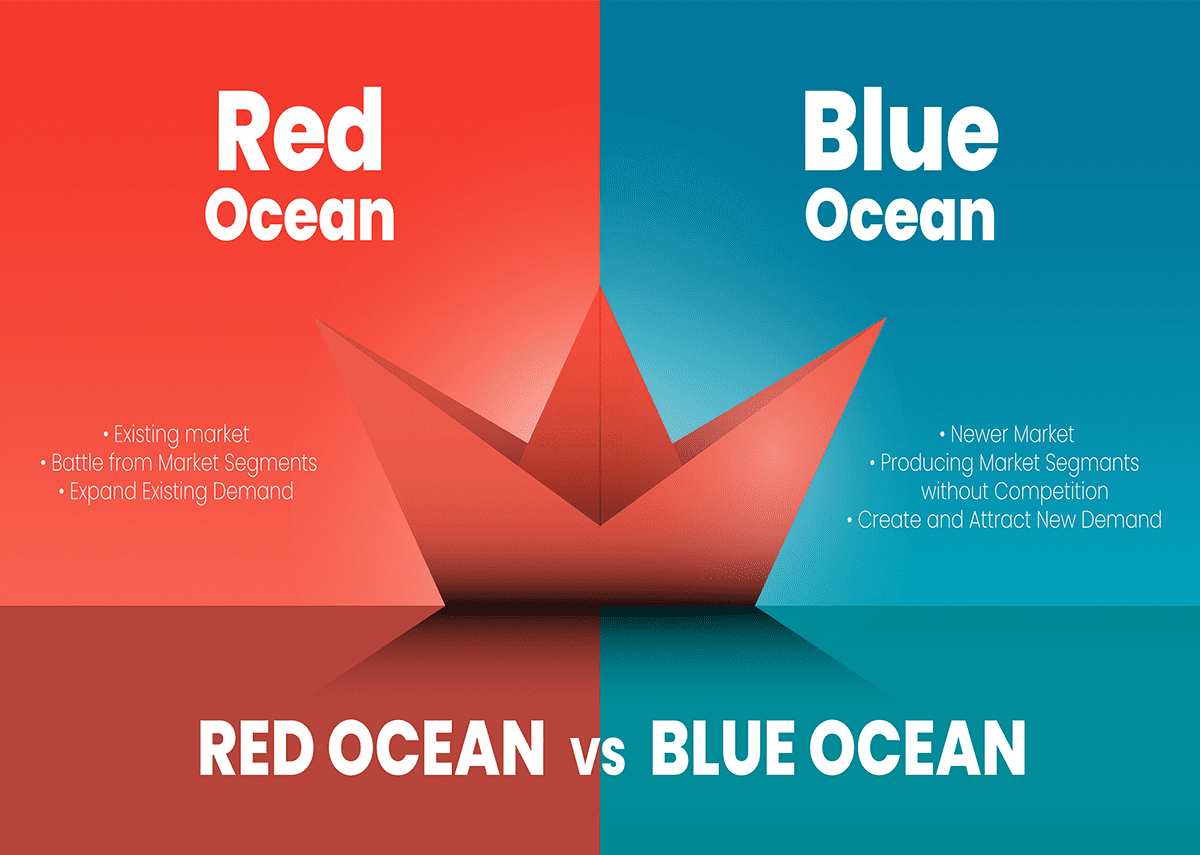
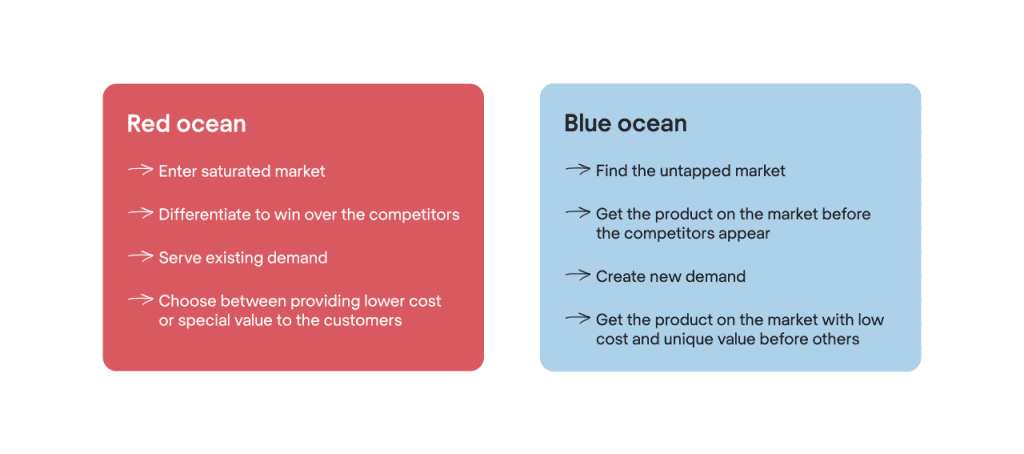
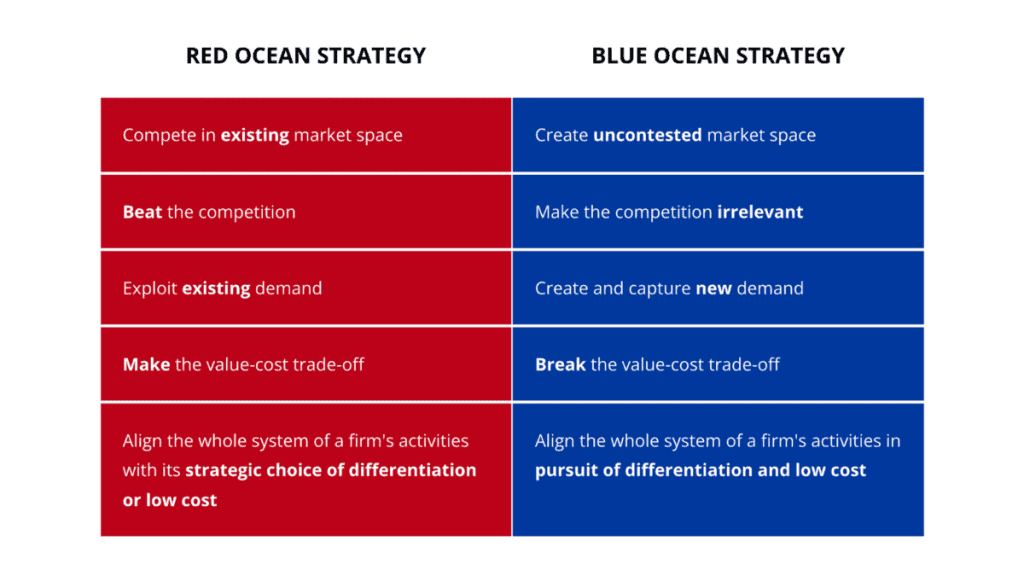
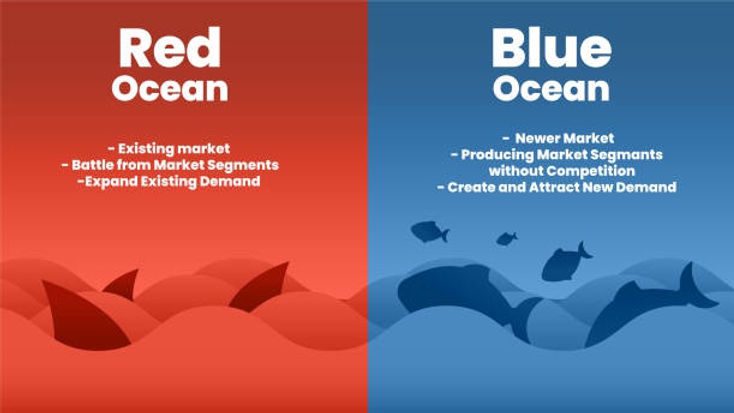
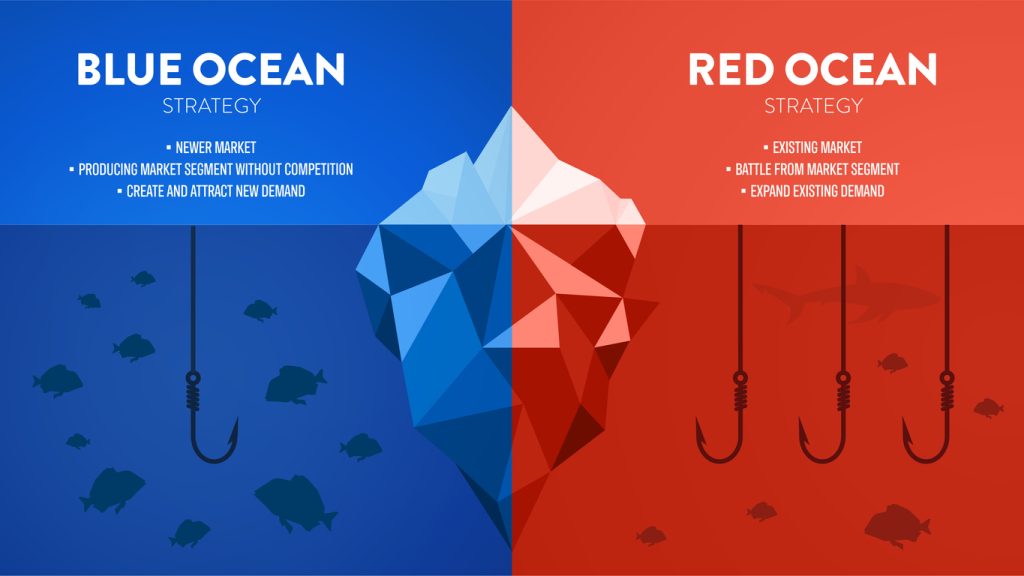
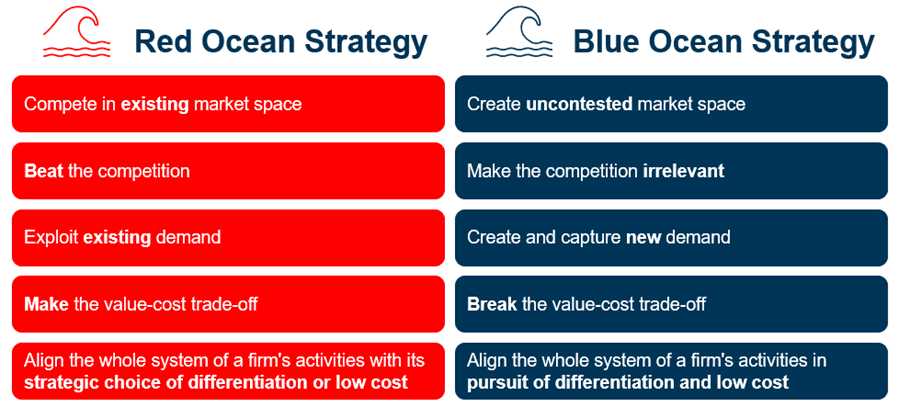
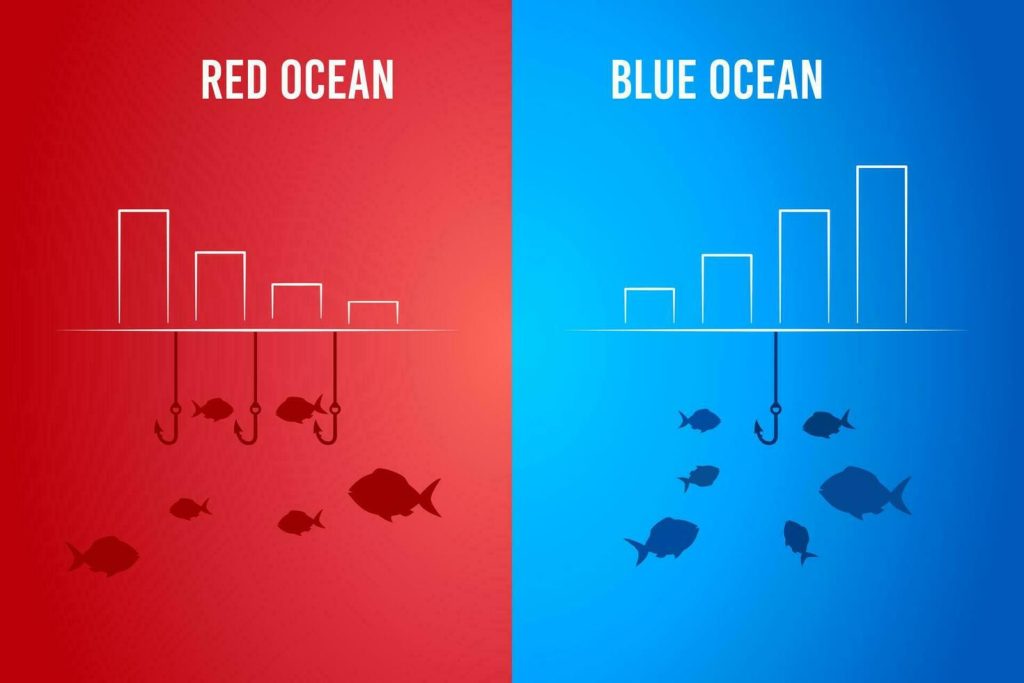
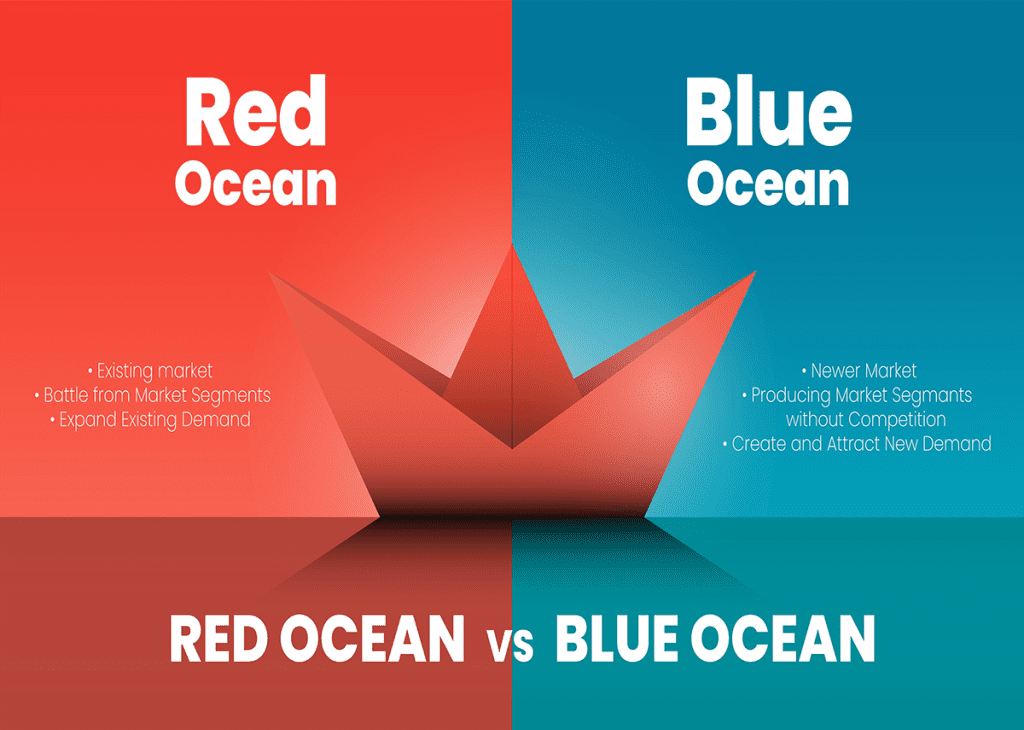
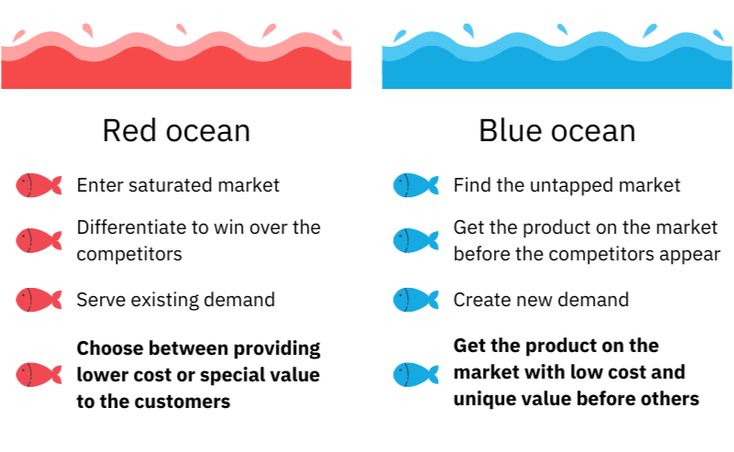
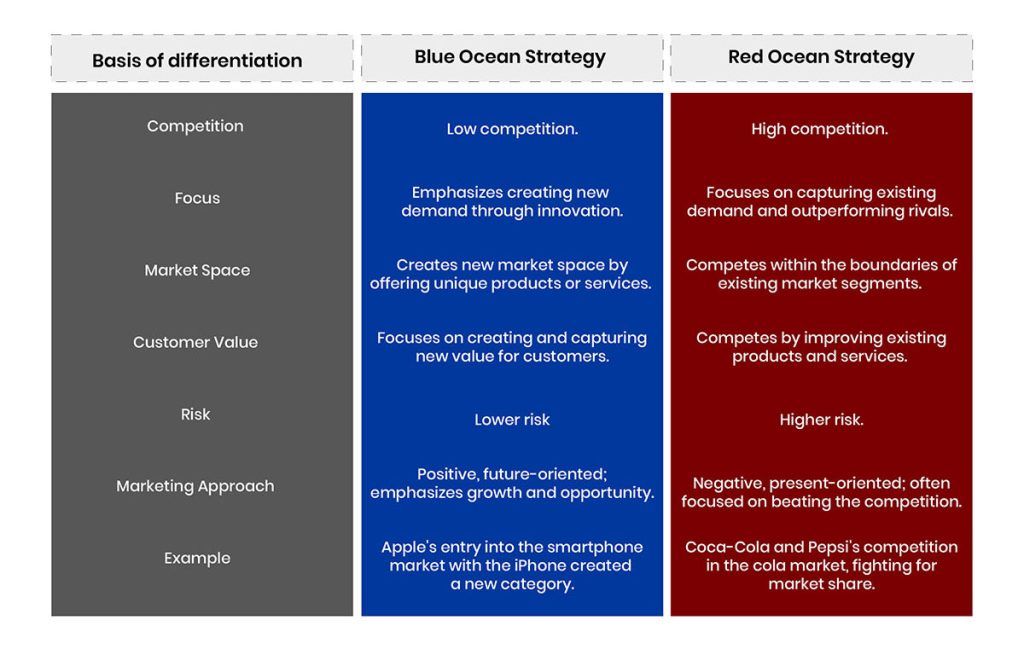
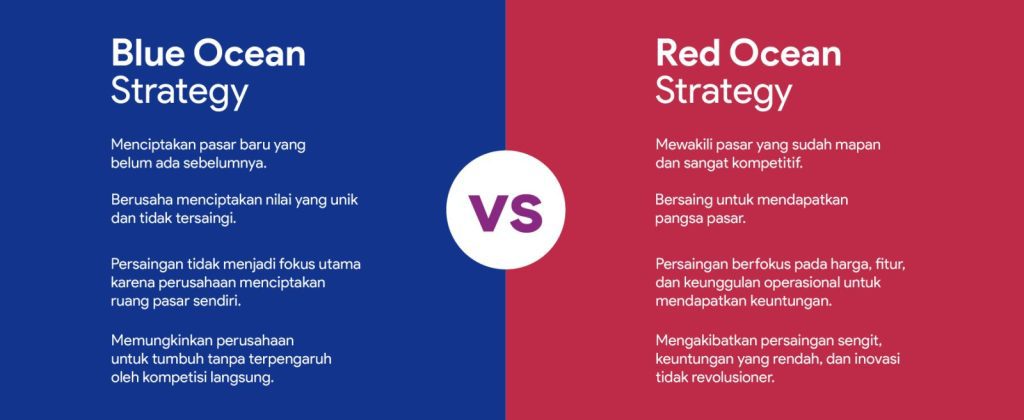
Difference of Red Ocean VS Blue Ocean Strategy

🌊 Red Ocean Strategy

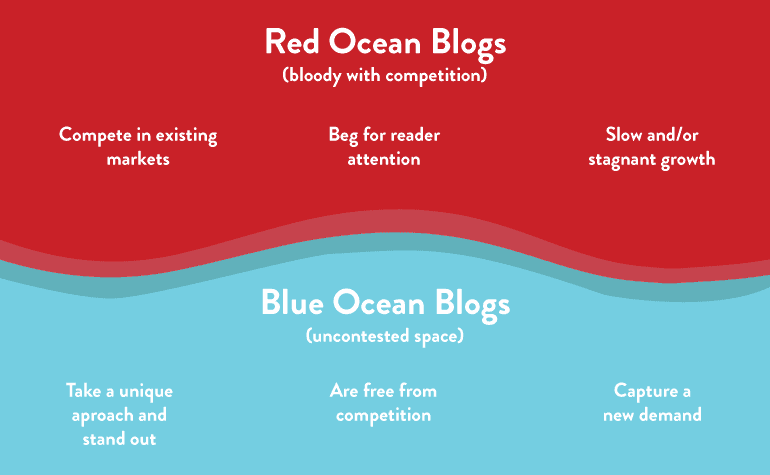
Compete in an existing market space.

✅ Characteristics:

  • Industry is well-defined and crowded
  • Competition is fierce (a “bloody ocean” 🩸)
  • Companies fight for market share
  • Success = outperforming rivals
  • Focus on existing demand
  • Differentiation OR low cost (rarely both)

🔍 Example:

Fast food chains like McDonald’s vs Burger King. They sell similar products, compete on price, and location — all in the same market space.


🌊 Blue Ocean Strategy

Create a new, uncontested market space.

✅ Characteristics:

  • Focus on innovation & value creation
  • Make the competition irrelevant
  • Capture new demand
  • Break the value-cost trade-off
  • Create AND capture new market space

🔍 Example:

Cirque du Soleil redefined the circus experience by blending circus with theater — no animals, higher prices, artistic value — creating a new market.

FeatureRed OceanBlue Ocean
Market SpaceExistingNew / Uncontested
CompetitionBeat the competitionMake competition irrelevant
DemandExploit existing demandCreate new demand
FocusEither cost OR differentiationCost AND differentiation (value innovation)
Strategy GoalGain bigger slice of marketCreate a new market
Risk LevelCompetitive pressureInnovation risk, but high reward

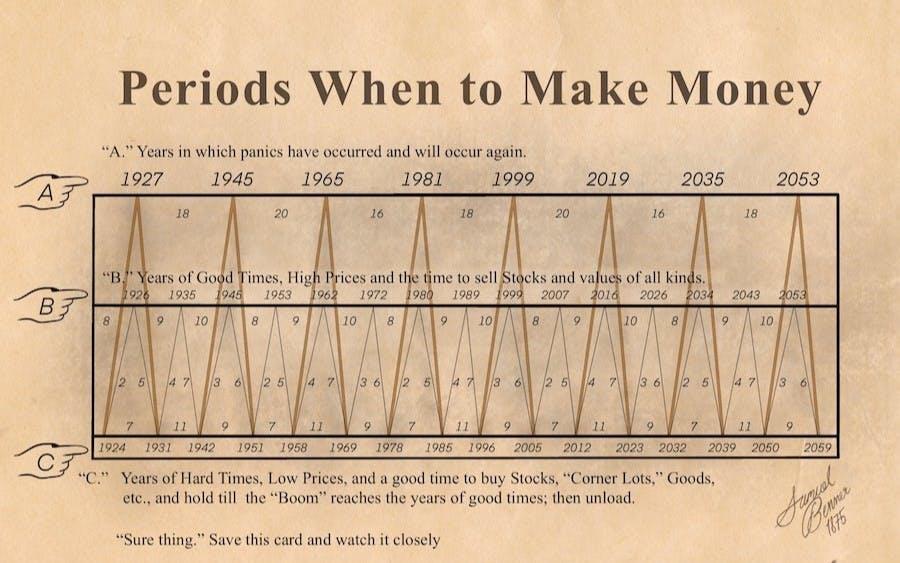
150 Years Periods When To Make Money

It sounds like you’re asking if a 150-year financial sheet period is real—meaning whether money, wealth, or financial records over that long of a timeframe hold real value.

Breaking It Down:

  1. 150-Year Financial Records Exist
    • Many banks, companies, and governments keep records spanning over a century (e.g., The Bank of England, New York Stock Exchange data).
    • Some companies (e.g., Coca-Cola, JP Morgan) have 150+ years of financial reports.
  2. Does Money Stay “Real” Over 150 Years?
    • Money itself changes (gold-backed currencies, fiat money, digital money).
    • Inflation reduces the value of old money (e.g., $1 in 1875 is worth much more than $1 today).
    • But assets like land, stocks, gold, and businesses retain value over time.
  3. Investment & Wealth Over 150 Years
    • If someone invested $1,000 in the stock market 150 years ago (1875), today it would be worth millions.
    • The long-term wealth-building strategy (stocks, real estate, gold) proves money grows over time.

Here’s a historical & predictive table from 1945 to 2025, highlighting major investment trends and whether the market was bullish (📈) or bearish (📉):

YearEconomic/Market ConditionBest Investment AreasBullish/Bearish
1945Post-WWII BoomManufacturing, Infrastructure📈 Bullish
1950Economic ExpansionIndustrial Stocks, Real Estate📈 Bullish
1955US Growth & Tech StartBlue-chip stocks, Early Tech📈 Bullish
1960Mild RecessionGold, Consumer Goods📉 Bearish
1965Vietnam War SpendingDefense Stocks, Commodities📈 Bullish
1970Stagflation BeginsGold, Energy (Oil Crisis)📉 Bearish
1975Oil Crisis RecoveryEnergy, Real Estate📈 Bullish
1980High Inflation & VolckerGold, Bonds, Tech Startups📉 Bearish
1985Tech & Global GrowthMicrosoft, IBM, Real Estate📈 Bullish
1990Early 90s RecessionBonds, Large-Cap Stocks📉 Bearish
1995Dot-com BoomTech Stocks, Internet Startups📈 Bullish
2000Dot-com CrashGold, Bonds, Real Estate📉 Bearish
2005Housing Bubble PeaksReal Estate, Commodities📈 Bullish
2010Post-2008 RecoveryTech, Crypto, Growth Stocks📈 Bullish
2015Tech DominanceFAANG Stocks, AI, Startups📈 Bullish
2020COVID Crash & RecoveryCrypto, EVs, AI, Green Energy📉📈 Bearish → Bullish
2025*Future AI & Green TechAI, Robotics, Clean Energy, BTC📈 Bullish (Predicted)

Key Observations & 2025 Predictions:

  • Bullish Eras → Post-war (1945), Dot-com (1995), Tech Rise (2010+), AI boom (2025?)
  • Bearish Periods → Stagflation (1970s), Dot-com burst (2000), 2008 Crash, COVID (2020)
  • 2025 Investment Prediction → AI, robotics, blockchain, and green energy will dominate.

Investing in Artificial Intelligence (AI) and Green Technology sectors offers exposure to industries poised for significant growth. Below is a curated list of notable U.S. companies in these domains:

Artificial Intelligence (AI) Stocks

Company NameTicker SymbolDescription
Nvidia CorporationNVDALeading designer of GPUs, essential for AI computing and machine learning applications.
Microsoft CorporationMSFTIntegrates AI across its products and services, including cloud computing and software solutions.
Alphabet Inc.GOOGLParent company of Google, heavily investing in AI research and development.
Upstart Holdings Inc.UPSTUtilizes AI to assess credit risk, offering alternative lending solutions.
SoundHound AI Inc.SOUNSpecializes in voice AI and conversational intelligence technologies.

Green Technology Stocks

Company NameTicker SymbolDescription
NextEra EnergyNEEMajor renewable energy company focusing on wind and solar power generation.
Brookfield Renewable PartnersBEPOperates renewable power assets, including hydroelectric and wind facilities.
Clearway Energy Inc.CWENEngages in renewable energy projects, particularly wind and solar.
First SolarFSLRManufactures solar panels and develops utility-scale photovoltaic power plants.
Tesla Inc.TSLAProduces electric vehicles and invests in solar energy solutions.

Note: Investing in these sectors carries inherent risks due to market volatility and technological advancements. It’s advisable to conduct thorough research or consult a financial advisor before making investment decisions.

Conclusion: Can a 150-Year Sheet Predict the Future?

Yes, it shows long-term patterns in money, markets, inflation, and industries.
Not 100% accurate because new events (wars, crises, tech shifts) change the game.

But history repeats itself in cycles—so studying the past helps you predict and prepare for the future.

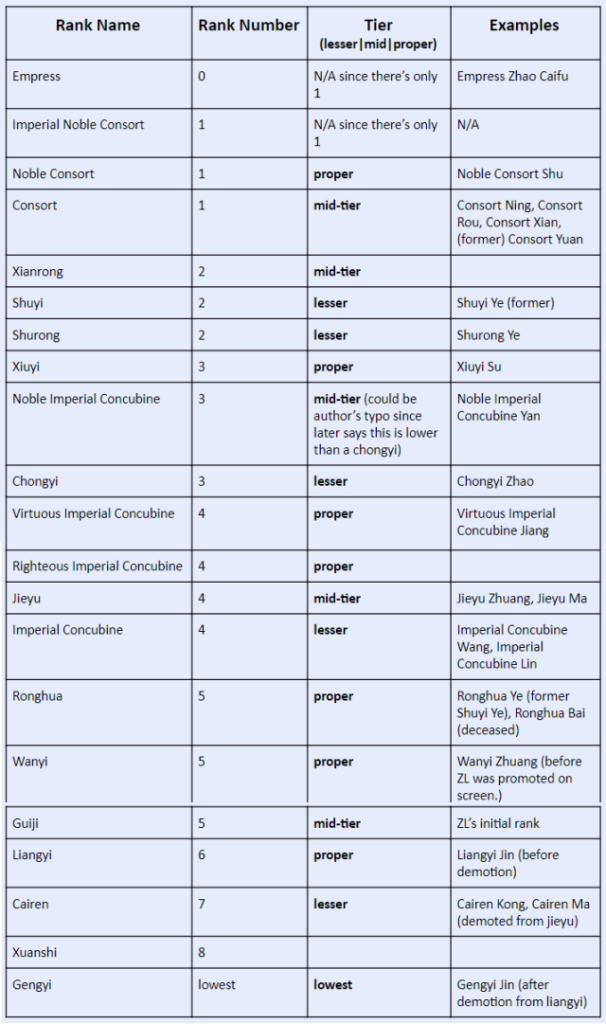
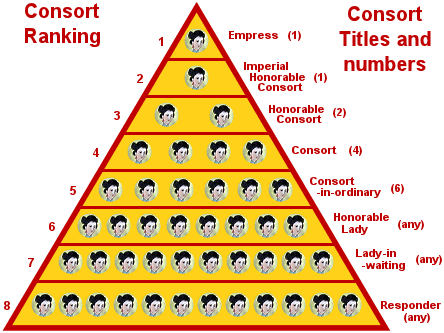
Chinese Dynasties Ranking System For An Emperor’s Wives

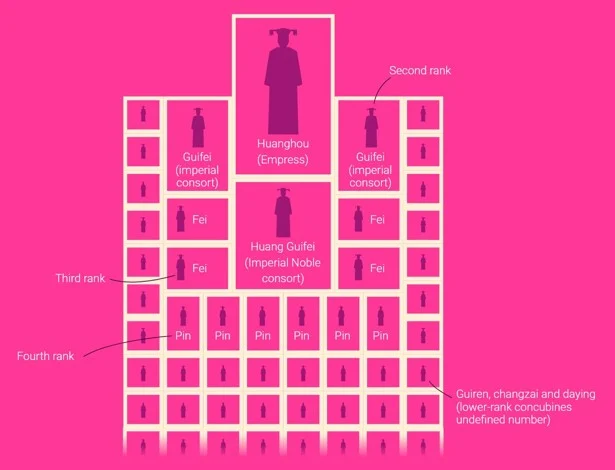
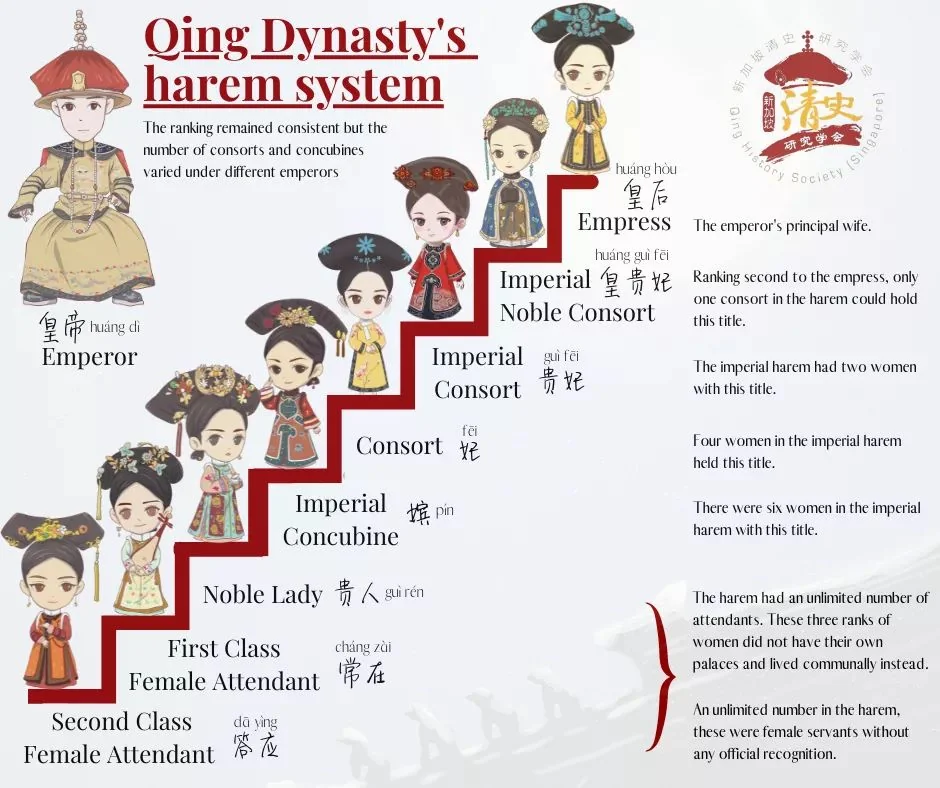
The ranking system for an emperor’s wives and consorts was detailed and varied across different Chinese dynasties. Here’s a more comprehensive breakdown, including variations from different dynasties like the Tang (618–907), Song (960–1279), Ming (1368–1644), and Qing (1644–1912) Dynasties.

Factors influencing rank:

  • Family background: Women from prominent families often received higher ranks. 
  • Emperor’s favor: A concubine who gained the emperor’s favor could be elevated in rank. 
  • Ability to bear children: Concubines who gave birth to the emperor’s heirs often received higher status. 

1. Empress (皇后, Huánghòu) – First Rank

  • The highest-ranking wife of the emperor, his main consort.
  • She had authority over all the emperor’s consorts and the harem.
  • Wore the Phoenix Crown (凤冠, Fèngguān) as a symbol of power.
  • The Empress gave birth to the heir (Crown Prince) whenever possible.

2. Imperial Noble Consort (皇贵妃, Huáng Guìfēi) – Second Rank

  • Just below the empress but still held significant influence.
  • This rank was not always present in earlier dynasties but became common in the Ming and Qing Dynasties.

3. Noble Consort (贵妃, Guìfēi) – Third Rank

  • Higher than most other consorts but below the Imperial Noble Consort.
  • Usually, one or two women held this title.

4. Consort (妃, Fēi) – Fourth Rank

  • A mid-tier consort with noble status.
  • In the Qing Dynasty, there were typically four Consorts at a time.

5. Imperial Concubine (嫔, Pín) – Fifth Rank

  • A recognized consort but of lower status.
  • Had limited influence in court matters.

6. Noble Lady (贵人, Guìrén) – Sixth Rank

  • The lowest official rank in the imperial harem.
  • Some noble ladies could rise in rank if favored by the emperor.

7. First Attendant (常在, Chángzài) – Seventh Rank

  • Lower than a Noble Lady but still part of the emperor’s harem.
  • Had minimal influence but could be promoted.

8. Second Attendant (答应, Dāyìng) – Eighth Rank

  • The lowest recognized rank.
  • Mostly served the emperor without real power.

9. Palace Maids (宫女, Gōngnǚ) – Unranked

  • Not official consorts but worked in the inner palace.
  • Could sometimes be promoted if favored by the emperor.

Other Titles (Special Cases & Retired Consorts)

  • Empress Dowager (皇太后, Huáng Tàihòu) – The widow of a deceased emperor, often the mother of the new emperor.
  • Grand Empress Dowager (太皇太后, Tài Huáng Tàihòu) – The grandmother of the reigning emperor.
  • Virtuous Consorts (昭仪, Zhāoyí; 修仪, Xiūyí, etc.) – Titles used in some dynasties like the Tang, referring to special-ranked concubines with unique responsibilities.

Each dynasty had slight variations, but this structure provides a detailed view of the emperor’s wives’ ranks throughout Chinese history. Would you like information on a specific dynasty or any famous empresses? 😊

Mersenne Prime and Mersenne Twister Explaination

Mersenne Prime and Mersenne Twister are two distinct mathematical/computational concepts that share part of their name but serve completely different purposes. Here’s a breakdown of the differences:

1. Mersenne Prime

  • Definition: A Mersenne prime is a special type of prime number that can be expressed in the form:

Mn​=2n−1

  • where nnn is a positive integer and MnM_nMn​ is prime.
  • Example: For n=2n = 2n=2, M2=22−1=3M_2 = 2^2 – 1 = 3M2​=22−1=3 (which is prime). For n=3n = 3n=3, M3=23−1=7M_3 = 2^3 – 1 = 7M3​=23−1=7 (which is also prime). However, not all numbers of the form 2n−12^n – 12n−1 are prime (e.g., 24−1=152^4 – 1 = 1524−1=15, which is not prime).
  • Applications:
    • Mersenne primes are closely related to perfect numbers, which are integers equal to the sum of their proper divisors.
    • They are of interest in number theory and are used in cryptographic algorithms.

In summary, while Mersenne primes are a special class of numbers studied in mathematics, the Mersenne Twister is a practical tool for random number generation in computing, inspired by the mathematical properties of Mersenne primes.

Why Are Mersenne Primes Special?

  • Rare: Not all numbers of the form 2n−12^n – 12n−1 are prime; nnn must itself be prime for 2n−12^n – 12n−1 to have a chance of being prime, but even then, not all such numbers are prime.
  • Connection to Perfect Numbers: Every Mersenne prime is associated with an even perfect number (a number equal to the sum of its proper divisors).

2. Mersenne Twister

  • Definition: The Mersenne Twister is a pseudorandom number generator (PRNG) developed by Makoto Matsumoto and Takuji Nishimura in 1997 and designed for generating sequences of random numbers with a very long period. It is named “Mersenne” because its period length is a Mersenne prime, specifically 219937−12^{19937} – 1219937−1.
  • Purpose: To generate sequences of numbers that approximate true randomness for applications in simulations, games, statistical sampling, and more.
  • Key Characteristics:
    • Period: Extremely long period (219937−12^{19937} – 1219937−1).
    • Speed: Very fast and efficient for generating random numbers.
    • Quality: Produces numbers with a uniform distribution and passes many statistical tests for randomness.
  • Applications:
    • Widely used in simulations, cryptographic applications (though not cryptographically secure), and any situation requiring high-quality random number generation.
  • Efficiency:
    • It is computationally efficient, capable of generating random numbers quickly, making it suitable for applications requiring large volumes of random data.
  • Quality of Randomness:
    • The Mersenne Twister passes most standard statistical tests for randomness, ensuring the generated sequences appear random and unbiased.

How Does It Work?

The Mersenne Twister works by maintaining an internal state array of size N=624N = 624N=624, with each element being a 32-bit integer. The generator progresses by:

  1. Initialization:
    • The state array is initialized using a seed value (often a single integer).
  2. Recurrence Relation:
    • The generator uses a linear recurrence relation to update its state. At each step, a new value is computed by combining elements of the state array using bitwise operations and a carefully chosen set of constants.
  3. Tempering:
    • The output is “tempered” (processed further) to improve statistical properties and ensure the generated numbers are distributed uniformly.

Applications

  1. Simulations:
    • Widely used in Monte Carlo simulations and scientific modeling where high-quality random numbers are required.
  2. Games:
    • Randomness in video games, such as dice rolls, loot drops, or random events, often relies on the Mersenne Twister.
  3. Statistical Sampling:
    • Random sampling from datasets in statistics and machine learning.
  4. Randomized Algorithms:
    • Used in algorithms requiring randomness, such as quicksort or hash table probing.

Strengths

  • Extremely Long Period: The massive period ensures that the generator doesn’t repeat its sequence in realistic use cases.
  • Speed: Generates random numbers efficiently.
  • High Quality: It meets strict randomness requirements, making it suitable for most non-cryptographic applications.

Limitations

  1. Not Cryptographically Secure:
    • The Mersenne Twister is predictable if an attacker knows part of its internal state or a sequence of generated numbers. For cryptographic purposes, use secure PRNGs like Cryptographically Secure PseudoRandom Number Generators (CSPRNGs).
  2. Memory Usage:
    • The state array of size 624 integers (about 2.5 KB) is larger than simpler PRNGs like the Linear Congruential Generator (LCG).
  3. Initialization Time:
    • Initializing the state array can be slower compared to simpler generators.

Variants

Several variants of the Mersenne Twister have been developed to address specific use cases:

  1. MT19937:
    • The original 32-bit version of the Mersenne Twister.
  2. MT19937-64:
    • A 64-bit version of the Mersenne Twister, designed for 64-bit systems.
  3. TinyMT:
    • A smaller version with reduced state size, designed for embedded systems or applications with limited memory.

How to Use the Mersenne Twister in Programming

Most modern programming languages and libraries include the Mersenne Twister as the default or available PRNG:

  • Python
import random

random.seed(42)  # Initialize the generator with a seed
print(random.random())  # Generate a random float between 0 and 1
  • C++
#include <random>

std::mt19937 mt(42);  // Initialize with a seed
std::uniform_real_distribution<double> dist(0.0, 1.0);

double random_value = dist(mt);  // Generate a random number

Key Differences

AspectMersenne PrimeMersenne Twister
NatureMathematical concept (prime number).Algorithm for pseudorandom number generation.
Form2n−12^n – 12n−1, where nnn is a positive integer and 2n−12^n – 12n−1 is prime.Uses a long recurrence relation to generate random numbers.
PurposeStudied in number theory.Used in computational random number generation.
ApplicationsCryptography, pure math research.Simulations, games, machine learning, etc.

Tang Yuan dalam Tradisi Tionghua Dongzhi Festival

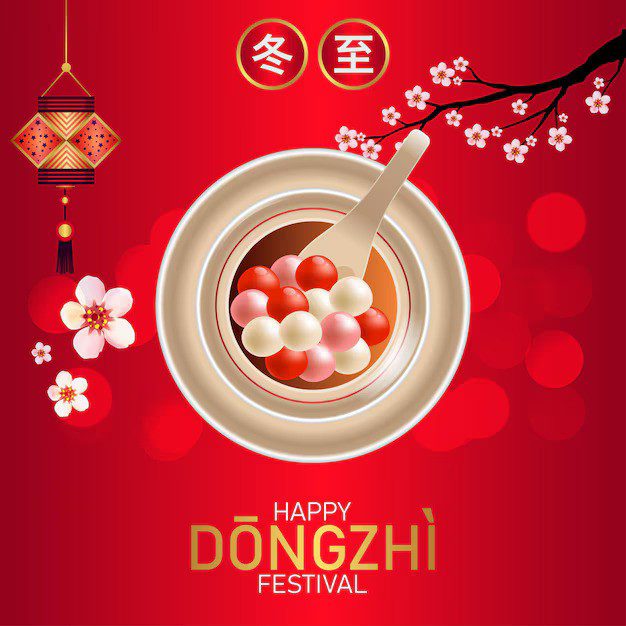
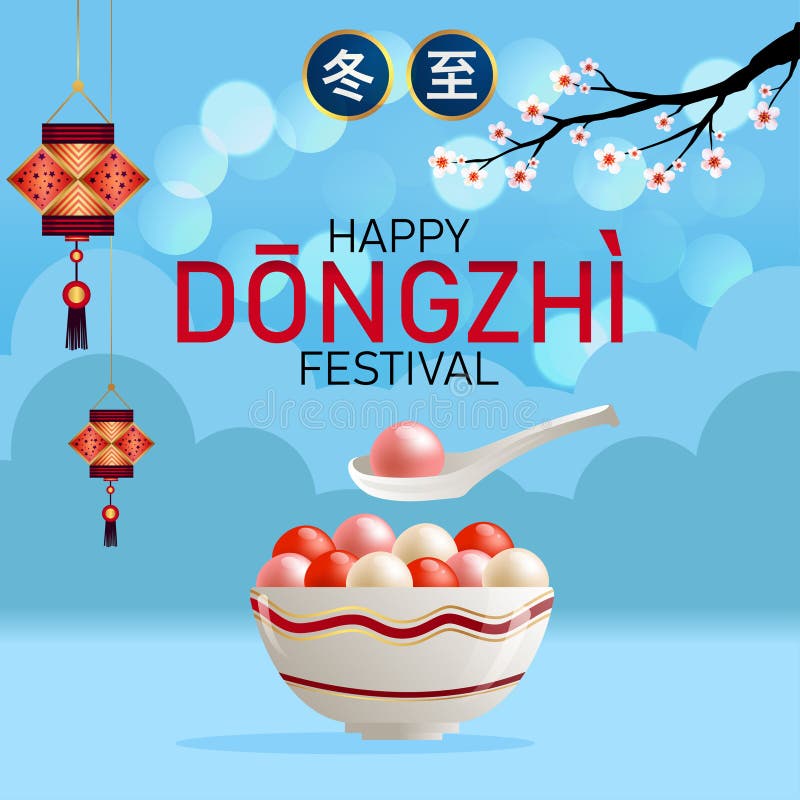
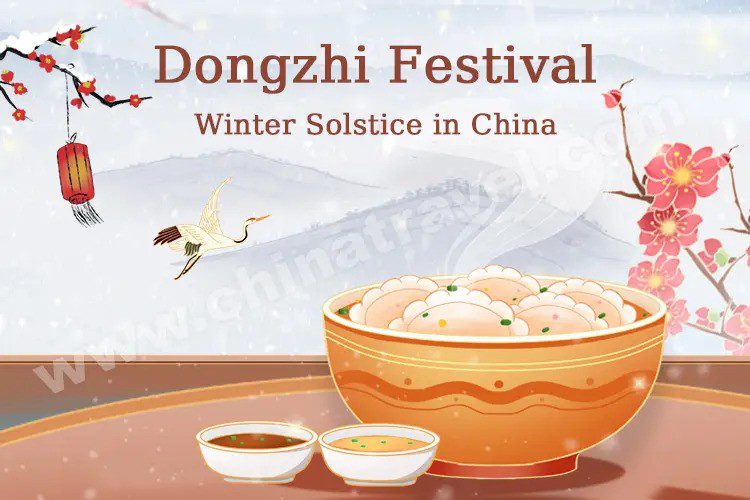
Dalam bahasa Mandarin, kata “Dong” berarti “musim dingin” sementara “Zhi” berarti “kedatangan” yang memberikan arti harfiah dari festival ini “datangnya musim dingin”. Dongzhi merayakan titik balik matahari musim dingin, biasanya sekitar tanggal 21 hingga 23 Desember, dan dirayakan pada malam terpanjang dalam setahun. Melambangkan kemenangan cahaya atas kegelapan, Dongzhi, melambangkan bahwa hari-hari akan mulai bertambah panjang dan membawa rasa keseimbangan dan harmoni pada kehidupan manusia. Berdasarkan kepercayaan Tiongkok tentang yin yang, “Yang” melambangkan energi positif, kehangatan, dan cahaya. Setelah Festival Dongzhi, siang hari akan berangsur-angsur memanjang, karena “Yang” juga akan bertambah. Dipercaya oleh sebagian orang bahwa itu adalah hari ketika Dewa Dapur pergi ke surga untuk melaporkan kepada Kaisar Giok tentang perilaku sebuah keluarga.

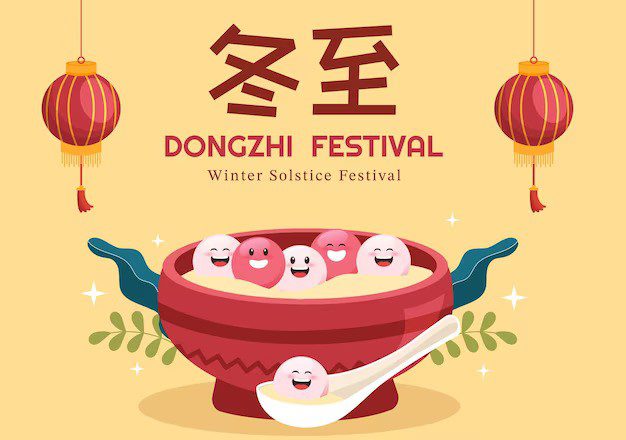
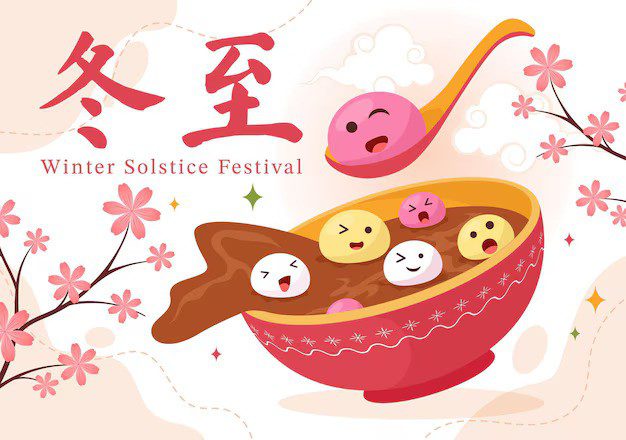
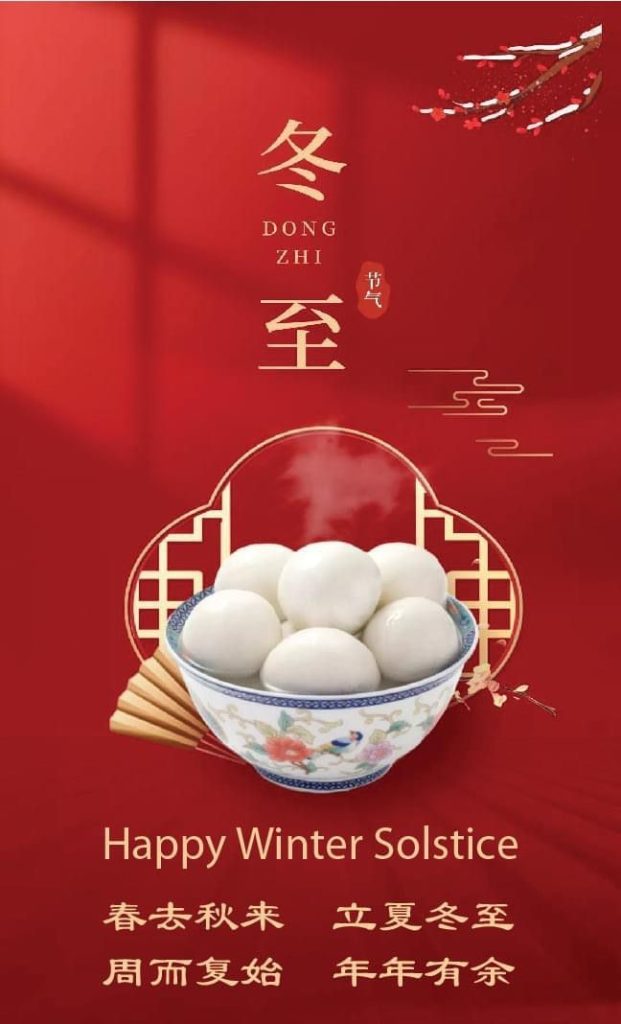
Tang Yuan, bola-bola pangsit beras ketan, adalah minuman hangat tradisional yang terbuat dari jahe. Bola-bola ketan dalam wedang ronde biasanya berisi kacang tumbuk dan gula merah.

1. Apa itu Tang Yuan?

Tang Yuan (汤圆) adalah bola-bola tepung ketan yang biasanya direbus dan disajikan dalam kuah manis atau gurih. Tang Yuan memiliki makna simbolis dalam budaya Tionghoa:

  • Bentuk bulat: Melambangkan kebersamaan, keharmonisan, dan persatuan keluarga.
  • Rasa manis: Melambangkan kehidupan yang penuh berkah dan kebahagiaan.

2. Hubungan Tang Yuan dengan Festival Dong Zhi

Dong Zhi Festival (冬至), yang berarti “Musim Dingin Tiba,” adalah salah satu festival penting dalam budaya Tionghoa. Biasanya dirayakan sekitar 21-23 Desember, saat siang hari terpendek dalam setahun di belahan bumi utara. Pada festival ini, makan Tang Yuan menjadi tradisi untuk:

  • Menyambut perubahan musim.
  • Mempererat ikatan keluarga.
  • Melambangkan kedewasaan dan tahap kehidupan baru.

Tang Yuan disajikan dalam kuah jahe manis untuk menghangatkan tubuh selama musim dingin.


3. Tang Yuan dalam Tradisi Chinese Indonesia

Di Indonesia, tradisi makan Tang Yuan tidak hanya dilakukan pada Dong Zhi, tetapi juga dalam beberapa perayaan lain, seperti:

  • Imlek (Tahun Baru Imlek): Tang Yuan dimakan sebagai simbol keberuntungan dan kebersamaan keluarga.
  • Pernikahan atau Kelahiran: Disajikan sebagai doa untuk keharmonisan dan kebahagiaan keluarga.
  • Upacara Sembahyang Leluhur: Sebagai persembahan untuk leluhur, melambangkan doa untuk keberkahan keluarga.

4. Cara Membuat Tang Yuan

Bahan Utama:

  • Tepung ketan
  • Air
  • Pewarna makanan (opsional)
  • Gula merah atau jahe untuk kuah manis

Langkah-langkah:

  1. Campur tepung ketan dengan sedikit air hingga menjadi adonan yang bisa dibentuk.
  2. Bentuk adonan menjadi bola-bola kecil.
  3. Rebus bola-bola dalam air mendidih hingga mengapung.
  4. Sajikan dengan kuah manis yang terbuat dari gula merah, jahe, dan air.

5. Makna Filosofis Tang Yuan di Indonesia

Bagi komunitas Tionghoa Indonesia, makan Tang Yuan adalah cara untuk:

  • Menghormati tradisi leluhur: Merayakan kebersamaan dengan keluarga.
  • Menghubungkan generasi: Biasanya dibuat bersama-sama oleh keluarga, melibatkan orang tua, anak, dan cucu.
  • Melestarikan budaya: Sebagai salah satu bagian penting dari warisan budaya Tionghoa.

6. Variasi Tang Yuan di Indonesia

Di Indonesia, Tang Yuan sering dimodifikasi dengan cita rasa lokal:

  • Isi gula merah cair atau kacang tanah manis: Sebagai pengaruh budaya Nusantara.
  • Kuah santan: Menggunakan bahan khas Indonesia untuk memberikan rasa gurih-manis.

Kesimpulan

Festival Tang Yuan adalah bagian penting dari tradisi Tionghoa, baik di China maupun Indonesia. Dalam konteks Indonesia, Tang Yuan tidak hanya menjadi makanan tradisional tetapi juga simbol keharmonisan keluarga, kebahagiaan, dan keberuntungan. Dengan adaptasi lokal, Tang Yuan tetap menjadi salah satu elemen budaya yang dilestarikan oleh komunitas Tionghoa di Indonesia.

Referensi:

Resep Membuat Tang Yuan

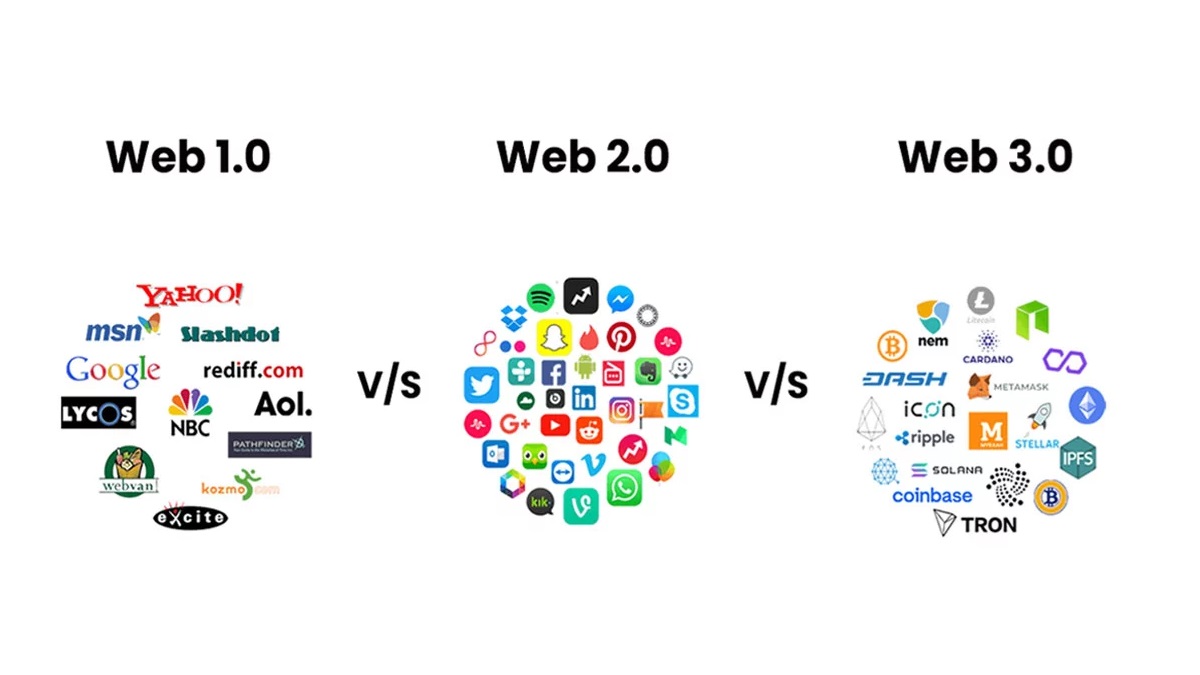
What is Web3.0 VS Web2.0 VS Web1.0

Web1, Web2, and Web3 are terms that describe the evolution of the internet, each phase marking a shift in how users interact with and experience the web. Here’s a breakdown of each:

1. Web 1.0 (The Static Web)

Web1, or the Static Web, refers to the early phase of the internet, which lasted from the 1990s to the early 2000s. This phase is characterized by:

  • Static content: Webpages were mostly read-only and provided information without any user interaction.
  • Personal websites and portals: Most websites were simple, static pages where users could access information but not contribute or interact with it.
  • Minimal user interaction: Users were passive consumers of content, as there were no platforms for collaboration or participation.
  • Basic technology: Web 1.0 primarily used HTML, images, and basic design elements.

Example: A typical Web1 site would be like an online brochure or a static information page, such as early personal websites or news portals.


2. Web 2.0 (The Social and Interactive Web)

Web2, also known as the Social Web or Interactive Web, emerged in the early 2000s and continues today. It represents a more dynamic, user-focused web. Key characteristics of Web2 include:

  • User-generated content: Users could now create and share their own content, such as blogs, videos, and social media posts.
  • Interactivity and collaboration: Platforms allowed for two-way communication, with websites like Facebook, YouTube, and Wikipedia enabling users to interact and contribute.
  • Dynamic web applications: Webpages became more interactive, using technologies like AJAX, making them responsive and customizable without reloading entire pages.
  • Community-driven platforms: Websites became spaces for users to participate in discussions, share opinions, and collaborate with each other.
  • Data-driven business models: Platforms like Facebook, Twitter, and Google grew by collecting and monetizing user data, primarily through advertising.

Example: Platforms like Facebook, YouTube, Instagram, and collaborative tools like Google Docs are products of Web2.


3. Web 3.0 (The Decentralized Web)

Web3, often referred to as the Decentralized Web or Semantic Web, is the most recent and emerging phase of the internet. It emphasizes user control, decentralization, and improved intelligence. Key features include:

  • Decentralization: Web3 is powered by blockchain technology, which distributes control over data and applications across a peer-to-peer network, rather than being controlled by centralized entities (like large tech companies).
  • User data ownership: Unlike Web2, where platforms own user data, Web3 aims to give users full ownership of their data, with privacy and security being central concerns.
  • Smart contracts: Web3 enables smart contracts, which are self-executing agreements stored on the blockchain. These automate transactions without intermediaries.
  • Cryptocurrencies and digital economies: Web3 integrates digital assets like cryptocurrencies and tokens, allowing users to participate in decentralized finance (DeFi) and own unique digital items via NFTs (Non-Fungible Tokens).
  • Semantic Web: The goal is also to make the web more intelligent, allowing machines to better understand and process information, making searches and interactions more relevant and personalized.

Example: Decentralized platforms such as Ethereum, IPFS, Decentralized Finance (DeFi) applications, and NFT marketplaces represent the Web3 era.


Summary of Differences

PhaseWeb 1.0Web 2.0Web 3.0
Era1990s to early 2000sEarly 2000s to presentEmerging (2020s and beyond)
ContentStatic, read-onlyDynamic, user-generatedDecentralized, user-controlled
InteractionPassiveInteractive, socialPeer-to-peer, decentralized
TechnologyHTML, basic webpagesAJAX, APIs, social mediaBlockchain, smart contracts, AI
Data controlOwned by website ownersControlled by large platformsControlled by users, decentralized

Web3 represents the future of the internet, focusing on decentralization, enhanced privacy, and user sovereignty over their data and digital assets.

Type of Work Systems – 996

What is “996“?

996 working, ICU waiting.

A “996” work schedule refers to an unofficial work schedule (9a.m. ~ 9p.m., 6 days a week) that has been gaining in popularity. Serving a company that encourages the “996” work schedule usually means working for at least 60 hours a week.

996 work system: arrive at work at 9 am every day and work until 9 pm. Work 6 days a week.

955 work system: arrive at work at 9 am every day and work until 5 pm. Work 5 days a week.

944 work system: arrive at work at 9 am every day and work until 4 pm. Work 4 days a week.

996.ICU : Work 996, be sick in ICU.

955.WLB : Work 955, work-life balance.

944.Life : Work 944, life comes first.

The following list of companies basically do not belong to the 996 companies, and are relatively close to the 955/965 level, but it still depends on the department and region, and cannot be guaranteed to be completely accurate.

  • It cannot be guaranteed that all departments are at the level of 955/10-6-5/965/10-7-5
  • Even if the average level of the department is 955/10-6-5/965/10-7-5, you may still have to work overtime part of the time.
  • Some departments of some companies in the list may have 975 or even 985 students. Don’t generalize.
  • Some companies in the list may have some or even more departments with 945, 10-5-5 or 11-6-5, so we have included them in the list.
  • Currently, most of the companies on the list are in Shanghai because I am in Shanghai and have a relatively good understanding of the situation in Shanghai. This does not mean that most of the 955 companies are in Shanghai. You are welcome to continue voting, and I will add more companies based on the voting results.

About the future

Always know what you want.

What I want now is an environment where I can learn English and technology, so that my choices in the future will not be limited to China, but will be from all over the world.

If you are nostalgic for the high salaries of domestic large companies

If you are afraid of going to a strange place

If you seek stability and are unwilling to change

Please stay in the country, come on.

If you like a challenge

If you like to experience different life

If you yearn for equal human rights, freedom of speech, and a society ruled by law

The world is so big, go out and see it.

There are many things you can’t change, but you can choose to leave


Work SystemHours per DayDays per WeekExample Company/IndustryDescription
9969 am – 9 pm6Some tech companies in China (e.g., Alibaba)Long hours, prevalent in tech and startup culture in China.
9559 am – 5 pm5Standard corporate companies worldwideStandard work schedule in many countries.
9449 am – 4 pm4Some creative agencies and consulting firmsShorter workweek with slightly reduced daily hours.
8888 am – 8 pm4 (per week)Manufacturing industry with rotating shiftsLonger daily hours, common in shift-based industries.
41010 hours4Some government jobs and tech companiesFour-day workweek with 10-hour shifts.
9879 am – 8 pm7Startups in high-growth phasesIntense schedule with no days off for quick scaling.
7747 am – 7 pm4Healthcare workers and emergency servicesLong shifts but three consecutive days off.
5825 am – 8 pm2Part-time workers in retail or emergency servicesVery long shifts with significant days off.
9989 am – 9 pm4 (per week)IT support companies with alternate workweeksAlternating week schedule with long daily hours.
104510 am – 4 pm5Freelancers and part-time workersShorter daily shifts for a flexible schedule.
6636 am – 6 pm3Oil and gas industry workers, emergency respondersIntensive shifts with more days off.
9649 am – 6 pm4Innovative tech companies focusing on work-life balanceBalanced workweek for better work-life balance.
99699 am – 9 pm6 (for 9 months)Construction projects, startups with intense deadlines9 months intense work, 3 months reduced work/vacation.
8458 am – 4 pm5Public sector, schools, educational institutionsStandard workday with earlier start and finish.
1212412 hours4Healthcare (e.g., nurses, EMTs), fire servicesLonger shifts, common in emergency and production roles.
9829 am – 8 pm2Weekend-only retail or event-based industriesFull weekend off, fewer but longer shifts.
107510 am – 7 pm5Retail stores, customer service centersSlightly later start for flexibility, covering customer hours.
1212612 hours6Police, fire departments, intensive project phasesIntense schedule with only one day off per week.
9359 am – 3 pm5Part-time workers, flexible work for parentsShorter shifts for part-time or flexible work.
24/724 hours on-call7On-call IT support, doctors, maintenance engineersOn-call availability at all times, often in critical industries.
9959 am – 9 pm5Law firms during peak cases, financial consultingIntense daily hours but retains a full weekend off.
6866 am – 8 pm6Logistics and delivery services during peak seasonsDemanding work schedule, nearly full-week work.
3433 pm – 4 am3Nightclubs, security services, night-shift operationsNight shifts covering late hours.
8448 am – 4 pm4Small businesses, some consulting or remote teamsShorter workweek with standard daily hours.
1213612 hours3 (on), 6 (off)Offshore drilling, rotational workers in remote locationsRotational schedule, intensive work followed by rest days.
Type of Work System

Paid Guest Post Pricing

Looking to elevate your website’s SEO, gain authority, and reach a highly relevant audience?
josuamarcelc.com is now offering Premium Guest Post Placement for just $50 per article!

With solid domain authority and a tech-savvy audience, our platform is an ideal choice for businesses in software development, PHP, web engineering, and digital marketing niches.


✅ What’s Included in the $50 Package:

  • 📄 500+ Words of Original Content
    We craft a professionally written article tailored to your niche, ensuring it delivers value to our readers and aligns with your goals.
  • 🔗 1 Do-Follow Link + Keyword
    You choose one keyword and one target URL. We’ll insert it naturally into the content to ensure maximum SEO benefit.
  • 📈 Authoritative Placement
    Gain a high-quality backlink from a domain with growing authority and authentic traffic.

💡 Why Publish on josuamarcelc.com?

  • SEO Benefits: Improve your search rankings with contextual, do-follow backlinks.
  • Relevant Audience: Targeted readers interested in PHP, software, and tech.
  • Fast Turnaround: Get your content live quickly with clear communication.
  • Affordable & Scalable: Start small or scale with generous bulk discounts.

🌱 Our Ethical Standards

We believe in supporting healthy, impactful businesses. That’s why we strictly do not accept guest posts that promote or link to:

🚫 Drugs
🚫 Human trafficking
🚫 Gambling or betting
🚫 Pornography or adult content
🚫 Black hat SEO techniques or link schemes
🚫 Scams or phishing or deceptive business models

Our mission is to help ethical businesses grow and contribute to a healthier, more responsible digital world.


📋 Guest Post Guidelines:

  • Content Type: We only accept professional, informative, and valuable articles.
  • Prohibited Topics: No content related to pornography, gambling, drugs, spam, or scams.
  • Link Quality: Only relevant, high-quality URLs will be accepted.
  • Niche Compatibility: Content must relate to software, tech, or business topics.

🛠️ How to Get Started

  1. Email us with your topic, keyword, and target URL.
  2. Once approved, we’ll handle the writing and publishing.
  3. Your post goes live shortly after payment.

📌 FAQ — Frequently Asked Questions

1. Can you provide samples?
Yes! Contact us to request recent examples of published guest posts.

2. Are these posts on a PBN (Private Blog Network)?
No. Our websites are real, with genuine traffic and organic search value.

3. Can I choose the niche of the site?
Absolutely. Contact us to explore our available niche-specific domains.

4. Do you offer bulk discounts?
Yes! We offer lifetime tiered discounts:

TierPosts OrderedDiscount
15–105%
211–1510%
316–2015%
421–3020%
531–5025%
651–9930%
7100+35%

Discounts are lifetime-based, meaning once you reach a tier, you keep that discount forever.

5. What’s your refund policy?
You may request a refund any time before the delivery of the report.
Once the guest post is delivered with links, no refunds will be issued unless we fail to publish the post as agreed.

6. What is your TAT (Turnaround Time)?
Guest posts are typically delivered within 2–4 business days after payment. Bulk orders may take slightly longer depending on volume and site queue.


🎯 Ready to Amplify Your Brand?

Whether you’re improving SEO, boosting authority, or increasing visibility, a guest post on josuamarcelc.com is a smart, budget-friendly step.

📩 Contact us now with your topic, keyword, and URL — and let’s publish something powerful.

Exit mobile version