SKD mengacu pada praktik manufaktur dan perdagangan di mana suatu produk dirakit sebagian sebelum diekspor ke negara lain. Dalam konteks industri elektronik, SKD biasanya melibatkan pengiriman produk dengan komponen utama yang telah terpasang sebelumnya, tetapi beberapa bagian, seperti papan sirkuit, kabel, dan konektor, tetap belum dirakit. Negara penerima kemudian melakukan perakitan akhir komponen-komponen ini untuk menghasilkan produk jadi.
CKD (Completely Knocked Down)
CKD mirip dengan SKD, tetapi selangkah lebih maju. Dalam CKD, produk dikirim dalam keadaan terurai sepenuhnya. Komponen biasanya dikemas dalam unit terpisah, dan negara penerima harus melakukan perakitan lengkap produk tersebut. Dalam industri elektronik, CKD mungkin mencakup pengiriman produk dengan komponen individual, seperti layar tampilan, prosesor, modul memori, dan bagian lainnya, yang kemudian dirakit secara lokal.
CBU (Completely Built-Up)
CBU, di sisi lain, merujuk pada produk yang telah dirakit sepenuhnya dan siap untuk langsung digunakan atau dijual. Dalam perdagangan internasional, produk elektronik CBU adalah produk yang telah sepenuhnya diproduksi dan dirakit di satu negara, kemudian diekspor ke negara lain untuk didistribusikan dan dijual langsung kepada konsumen.
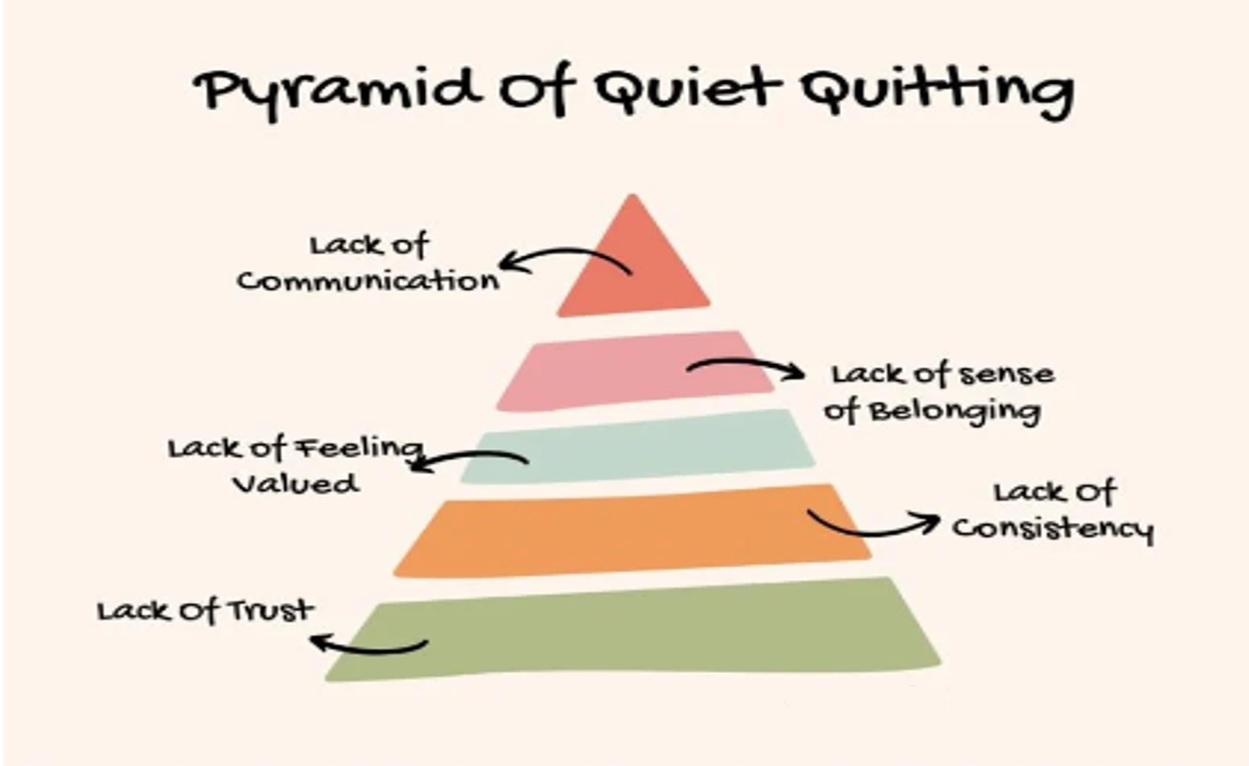
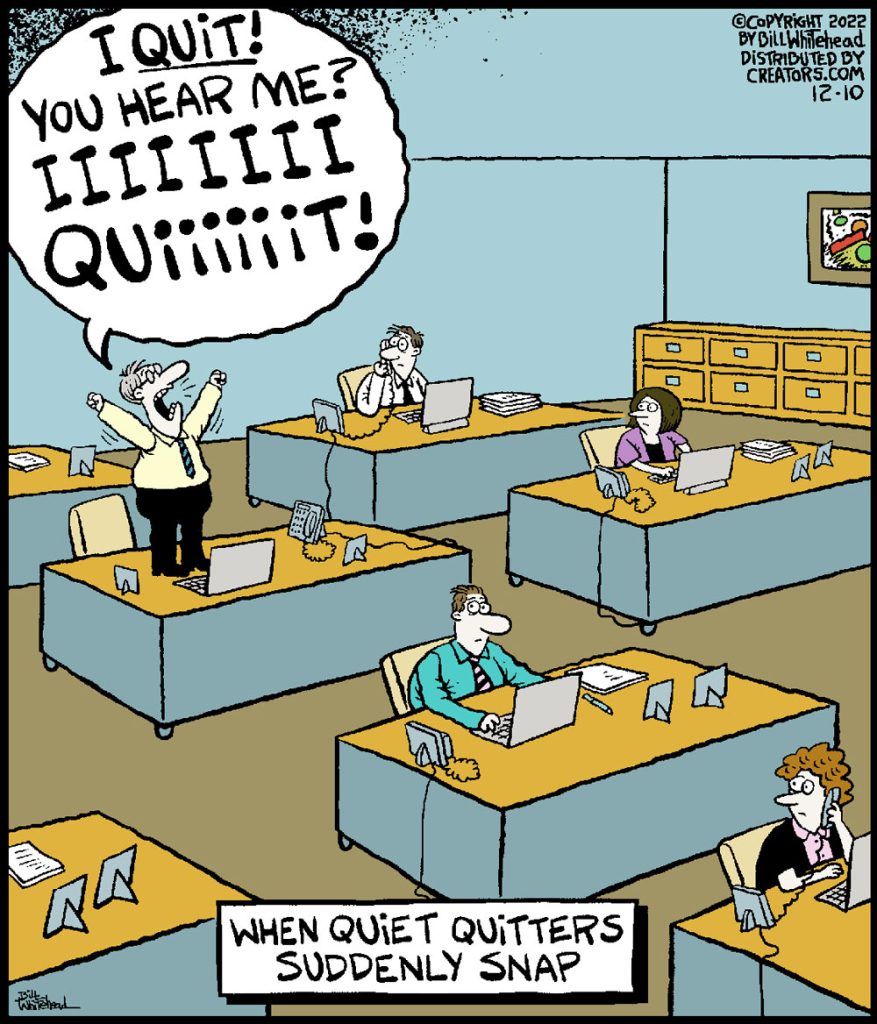
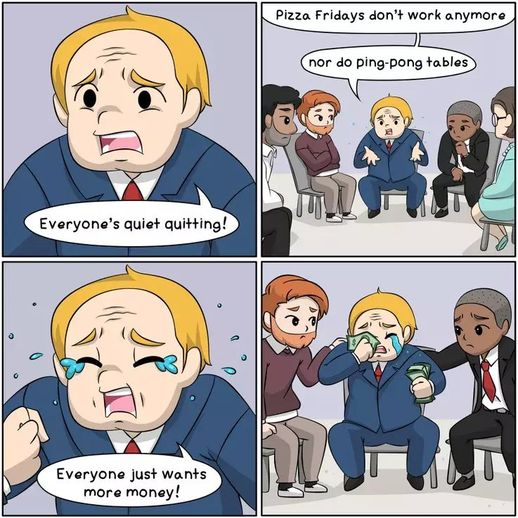
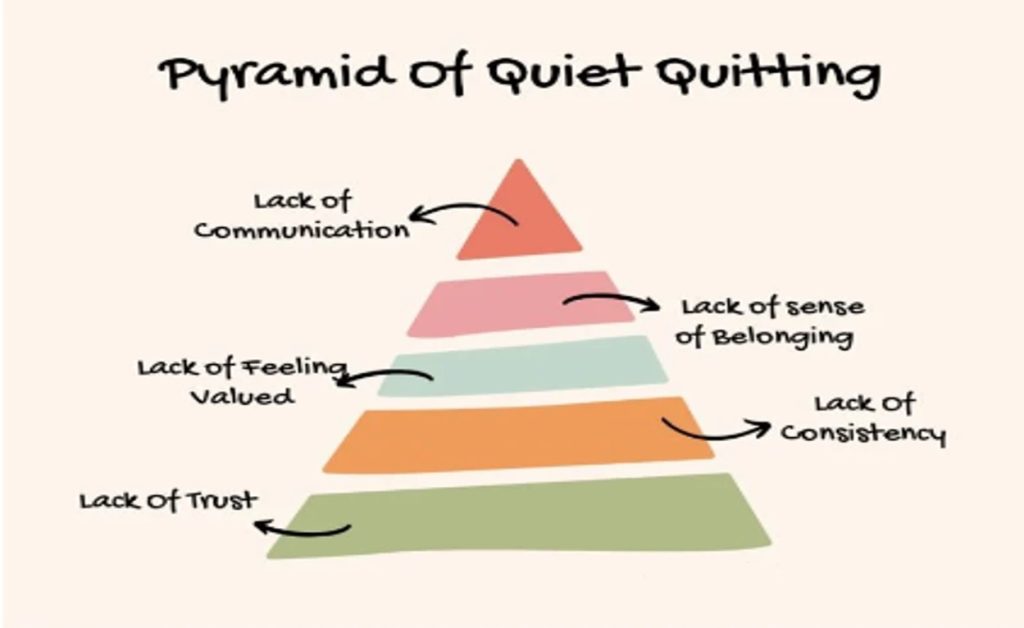
Quiet Quitting is the commonly discussed buzzword today with the HR Fraternity. A lot has been spoken about the Great Resignation however that is a very myopic approach to managing Talent. Silent Resignation or Quiet Quitting as it is called in recent times much precedes before the any employee makes the final decision to resign.
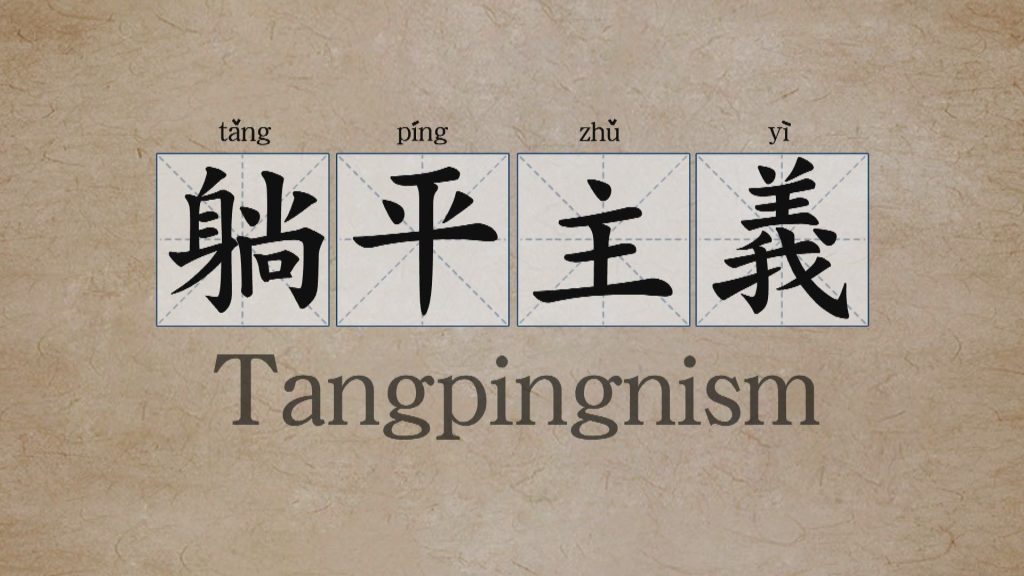
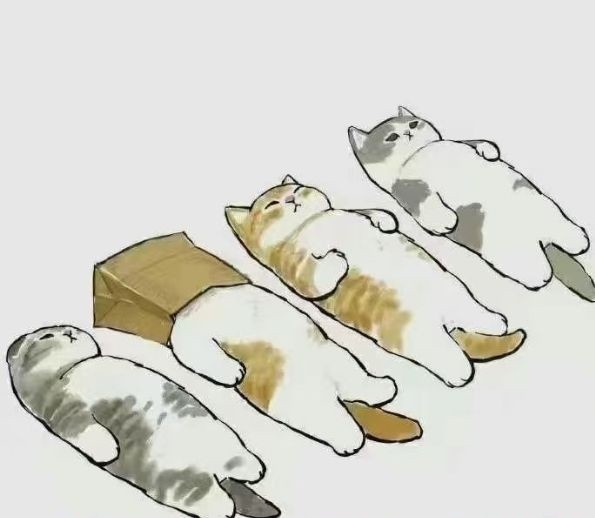
Like the Pandemic, this phenomenon also finds its origin to China and the trend was referred to as “tang ping” 躺平 or “lying flat”. This is nothing but a slow protest where employees refuse to overwork or succumb to pressure.
The causes of this behavior include employees feeling that their work is not getting enough appreciation or recognition from the company, both material and non-material, or because the workload is too high, causing employees to feel exhausted to the point of burnout. Blurred boundaries between work and personal life can also be a driving factor for this behavior, because someone is often still busy with work matters outside of working hours or even during holidays. Often here it means when something like this happens repeatedly, not only because of an emergency.
In order for this employee behavior to be anticipated quickly and accurately by the organization, it is necessary for the organization to recognize early on the occurrence of this behavior in its employees. Some of the characteristics of employees who are starting to engage in quiet quitting behavior include:
Not willing to do work outside of their main job.
Going home from work on time and avoiding overtime.
Working according to their portion.
Not wanting to deal with work or answer questions about work obligations during holidays.
Losing interest in becoming an outstanding employee in the company.
Passive during meetings or certain discussions related to work.
Rarely attending events organized by the company.
The debate in this case is that not everyone agrees with the phenomenon of quiet quitting, including according to workplace politeness expert, Pattie Ehsai, stating that you will not succeed in the workplace with such behavior. However, seen from another perspective, this phenomenon cannot be said to be completely wrong because it will actually create clearer boundaries between work life and personal life and more broadly, can realize work life balance. But it cannot be denied that this behavior also has the risk of harming the organization。
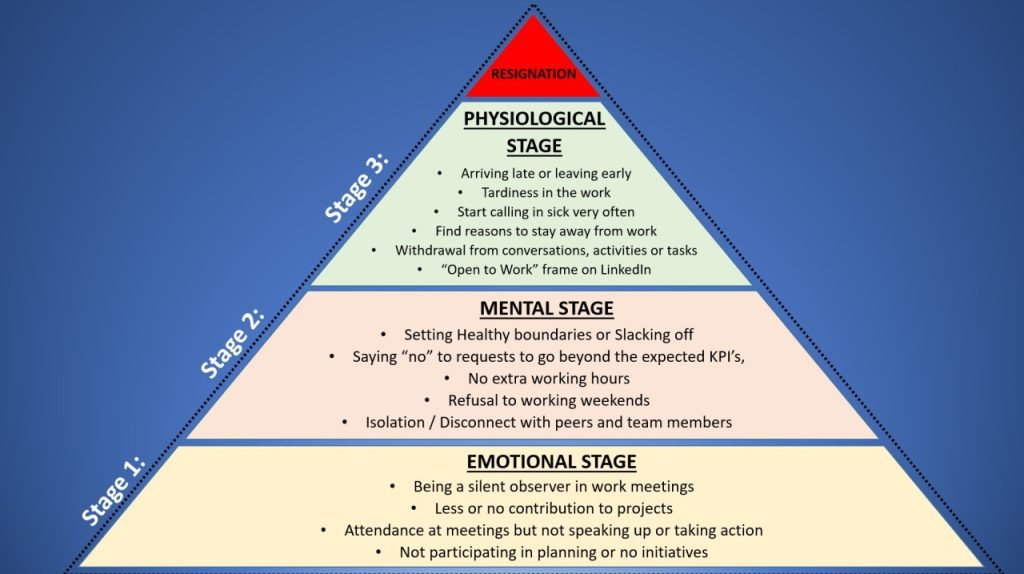
Having observed the trend of resignations with a few organizations and some insightful discussions with peers; I have identified classic behavioral patterns in this Quiet Quitting phenomenon. Employees go through 3 classic phases of transition before the ultimate plunge of Resigning. The three stages are as below:
1. Emotional Stage of Quitting: All humans are emotional beings and employees who feel that their expertise and experience is no more valued in workplace often give in to emotional low. At this stage the employee is confused as to what is happening with them and are not able to arrive at conclusive understanding on what to do next. There is an internal conflict between wanting to stay and deciding to move on.
2. Mental Stage of Quitting: Disengagement on a chronic basis indicates that employee is evaluating his / her sustenance at work place. Employees continue to remain active contributors of their work but are mentally no longer committed to the hustle culture. There is a conscious effort to avoid work stress. Employees have internalized the fact that they are no longer enjoying their engagement with the current organization.
3. Physiological Stage of Quitting: This is the most visible of all stages; where employees openly expressing their discomfort and willingness to move on. Employees no more want to shy away from accepting that they are actively exploring options outside of workplace. A very cliché yet commonly used phrase by employees at this phase; ‘itna paise mein itnaich milega”
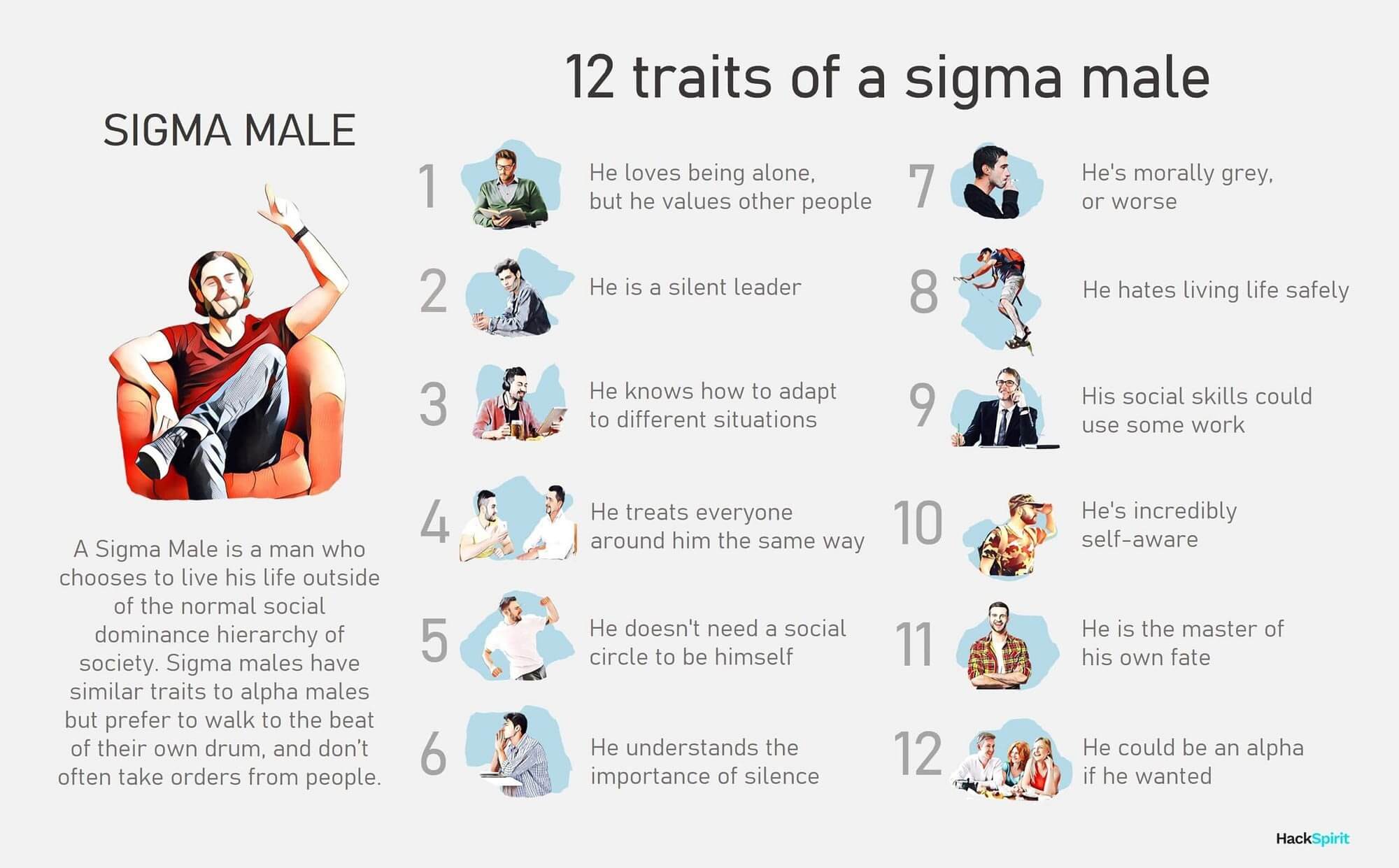
The term “sigma male” is often used in pop psychology to describe a personality type that is independent, self-reliant, and non-conformist. Here are 12 common signs often associated with a sigma male:
Prefers Independence: Sigma males value their freedom and prefer to operate independently rather than follow the crowd or rely on others.
Self-Reliant: They tend to rely on themselves for their needs and decisions, trusting their own judgment and capabilities.
Quiet Confidence: Sigma males often have a quiet, unassuming confidence that doesn’t require validation from others.
Introverted but Not Shy: They often enjoy solitude and may be introverted, but this doesn’t mean they are shy or lack social skills.
Non-Conformist: They typically resist societal norms and expectations, choosing to live by their own rules and standards.
Observant: Sigma males tend to be keen observers of their environment and the people around them, often noticing things others might miss.
Mysterious: Their reserved nature and tendency to keep to themselves can make them appear mysterious and intriguing to others.
High Self-Awareness: They usually have a strong sense of self-awareness, understanding their strengths, weaknesses, and motivations.
Goal-Oriented: Sigma males are often highly focused on their goals and ambitions, prioritizing their personal growth and achievements.
Adaptable: They can adapt to different situations and environments, making them versatile and resilient.
Selective with Relationships: They tend to be selective about who they let into their inner circle, valuing deep, meaningful connections over a large social network.
Value Authenticity: Sigma males prioritize authenticity in themselves and others, disliking superficiality and pretenses.
It’s important to note that the concept of a sigma male is more of a descriptive archetype rather than a scientifically validated personality type. It reflects certain traits and behaviors that some people may exhibit, but it’s not a rigid or universally applicable classification.
The Russo-Ukrainian War has been ongoing between Russia and Ukraine since February 2014. Hostilities were initiated by Russia shortly after Ukraine’s Revolution of Dignity and were focused on the political status of Crimea and the Donbas, which remain internationally recognized as part of Ukraine.
On 10 November 2021, the United States reported an unusual movement of Russian troops near the borders of Ukraine.By 28 November, Ukraine had reported a build-up of 92,000 Russian troops.
On 7 December 2021, US President Joe Biden warned President of Russia, Vladimir Putin of “strong economic and other measures” if Russia attacked Ukraine.
On 17 December 2021, Putin proposed a prohibition on Ukraine ever joining NATO, which Ukraine rejected.
On 17 January 2022, Russian troops began arriving in Russia’s ally Belarus, ostensibly “for military exercises”.
On 19 January 2022, the US gave Ukraine $200 million in security aid.
On 19 January 2022, Biden stated in a press conference: “Russia will be held accountable if it invades. And it depends on what it does.” Many critics of the US president felt this left the door open for President of Russia Vladimir Putin to invade.
On 24 January 2022, NATO put troops on standby.
On 25 January 2022, Russian exercises involving 6,000 troops and 60 jets took place in Russia near Ukraine and Crimea.
February 2022
On 10 February 2022, Russia and Belarus began 10 days of military maneuvers.
On 17 February 2022, fighting escalated in separatist regions of eastern Ukraine.
21 February
Putin announced Russian recognition of two pro-Russian breakaway regions in eastern Ukraine (the Donetsk People’s Republic and the Luhansk People’s Republic). This announcement led to the first round of economic sanctions from NATO countries the following day.
In his televised “address concerning the events in Ukraine” before the announcement, Putin stated his belief that Vladimir Lenin was the “author and architect” of Ukraine and labeled Ukrainians who have taken down Lenin’s monuments “ungrateful descendants”, saying “This is what they call decommunization. Do you want decommunization? Well, that suits us just fine. But it is unnecessary, as they say, to stop halfway. We are ready to show you what real decommunization means for Ukraine.”
To provide the best experiences, we use technologies like cookies to store and/or access device information. Consenting to these technologies will allow us to process data such as browsing behavior or unique IDs on this site. Not consenting or withdrawing consent, may adversely affect certain features and functions.
Functional
Always active
The technical storage or access is strictly necessary for the legitimate purpose of enabling the use of a specific service explicitly requested by the subscriber or user, or for the sole purpose of carrying out the transmission of a communication over an electronic communications network.
Preferences
The technical storage or access is necessary for the legitimate purpose of storing preferences that are not requested by the subscriber or user.
Statistics
The technical storage or access that is used exclusively for statistical purposes.The technical storage or access that is used exclusively for anonymous statistical purposes. Without a subpoena, voluntary compliance on the part of your Internet Service Provider, or additional records from a third party, information stored or retrieved for this purpose alone cannot usually be used to identify you.
Marketing
The technical storage or access is required to create user profiles to send advertising, or to track the user on a website or across several websites for similar marketing purposes.
To provide the best experiences, we use technologies like cookies to store and/or access device information. Consenting to these technologies will allow us to process data such as browsing behavior or unique IDs on this site. Not consenting or withdrawing consent, may adversely affect certain features and functions.